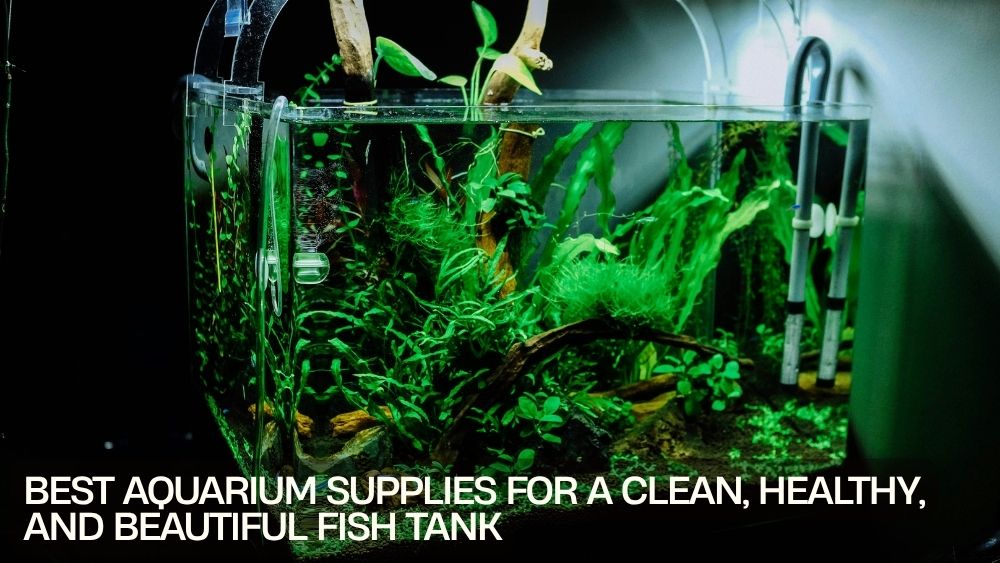
A beautiful aquarium is more than a glass box filled with water. It is a small underwater environment where fish, plants, decorations, filtration, temperature, and water quality all need to work together.
That is why choosing the right aquarium supplies for fish tanks matters. The right equipment makes routine care easier, helps you monitor changing conditions, and keeps your aquarium looking fresh and inviting.
Whether you are setting up your first tank or improving an established aquatic space, having dependable essential aquarium supplies can make maintenance far less complicated.
From water testing equipment to fish tank accessories, let’s explore the supplies that can help you create a cleaner, more organized, and enjoyable aquarium environment.
Start with the Right Aquarium Equipment
Every aquarium has different requirements. Tank size, water volume, fish species, plants, and setup style can all influence the equipment you need.
Instead of buying every accessory available, focus on the essentials first.
A reliable setup usually starts with equipment for water quality, filtration, temperature management, lighting, cleaning, and regular maintenance.
These categories form the backbone of effective aquarium care.
If you are planning a larger aquatic installation, the aquarium supplies collection is a useful place to explore equipment designed for different water-management needs.
Water Quality Should Be a Priority
Clear water does not always mean healthy water.
Important water parameters can change even when an aquarium looks perfectly clean. That is why aquarium water care supplies and testing equipment are so valuable.
Regular testing can help you understand what is happening beneath the surface.
Depending on your aquarium, you may want to monitor factors such as pH, temperature, TDS, electrical conductivity, salinity, or other relevant parameters.
A water tester can turn guesswork into useful information.
For a more comprehensive approach, a 9-in-1 water quality tester can help monitor multiple water parameters with one device.

Some advanced water-quality devices also use optical measurements. Understanding what your particular tester measures and following its calibration instructions will help you get more reliable readings.
Aquarium Filtration Equipment
Filtration plays an important role in maintaining water quality.
A good filtration system can help remove suspended particles and support biological processes that are important in an established aquarium.
The exact filtration setup depends on the aquarium's size and inhabitants.
A small freshwater tank may have very different filtration requirements from a large aquatic installation.
When choosing aquarium filtration equipment, consider the tank's water volume, the filter's capacity, maintenance requirements, and the type of aquatic environment you want to create.
Do not choose a filter simply because it is powerful. Choose equipment appropriate for your specific setup.
Monitor Temperature Consistently
Temperature is another important part of aquarium management.
Different fish and aquatic organisms have different temperature requirements. Sudden changes can also create unnecessary stress.
That makes aquarium heaters and temperature control valuable components of many aquarium setups.
A reliable thermometer can help you monitor conditions, while an appropriate heater can help maintain the desired temperature when necessary.
Check your fish's care requirements before selecting temperature equipment. A tropical freshwater aquarium, for example, may need a different approach from a cool-water setup.
Keep an Eye on pH and Other Parameters
pH is one of the most commonly monitored aquarium parameters.
However, chasing a specific number without understanding your aquarium can sometimes create more problems than it solves.
Instead, learn the preferred conditions for your fish and aquatic plants, then monitor your water consistently.
A digital 3-in-1 pH meter can provide readings for pH, TDS, and EC, making it a practical tool for routine water monitoring.

The key is consistency.
Regular measurements can help you notice changes before they become larger maintenance problems.
Consider Smart Water Monitoring
Technology has also entered the aquarium and water-care world.
Smart monitoring equipment can make it easier to keep track of water conditions without manually checking every parameter every time.
A smart floating 9-in-1 water quality tester offers multiple measurements and wireless connectivity through a compatible app.

This type of equipment can be useful for people who enjoy technology-driven clean aquarium setup ideas and want convenient access to water-quality information.
For larger or more advanced water systems, connected monitoring can also provide an additional layer of convenience.
Cleaning Supplies Make Maintenance Easier
Even the best aquarium equipment cannot eliminate the need for routine cleaning.
Algae, debris, mineral deposits, and leftover organic material can accumulate over time.
That is why fish tank cleaning supplies should have a place in your maintenance routine.
Depending on your setup, useful cleaning equipment may include algae scrapers, glass cleaners, gravel vacuums, water-changing tools, buckets, and dedicated aquarium brushes.
Use equipment specifically intended for aquarium maintenance whenever possible.
Avoid introducing household cleaning chemicals into aquarium equipment unless the product is specifically designed and safe for that purpose.
Aquarium Lighting Matters Too
Lighting can transform an aquarium from a simple tank into a visual centerpiece.
Aquarium lighting for fish tanks can provide illumination for viewing fish and can also support aquatic plants when the lighting system is appropriate for their requirements.
The right lighting depends on what lives inside your aquarium.
A fish-only aquarium may have different lighting needs from a planted tank.
You should also think about the aquarium's daily lighting schedule. Consistency can help create a predictable environment while preventing excessive lighting that may encourage unwanted algae growth.
Choose Aquarium Decor Carefully
Decorations add personality to an aquarium, but they should serve more than an aesthetic purpose.
Rocks, caves, ornaments, artificial plants, and other aquarium decor and accessories can create visual interest and provide places for fish to explore or hide.
Choose aquarium-safe materials.
Avoid decorations with sharp edges, unstable structures, or coatings that could deteriorate in water.
Think about the size of your fish as well. A decoration that looks perfect in an empty tank may become cramped once fish, plants, substrate, and equipment are added.
Good aquarium design balances beauty with usable swimming space.
Bigger Tanks Need Bigger Planning
Aquarium size has a major influence on equipment selection.
Larger water volumes can require more substantial filtration, monitoring, and maintenance routines.
If you are creating an outdoor or larger aquatic environment, a 200-gallon above-ground canvas fish pond offers a very different format from a traditional household aquarium.

Its larger capacity and viewing design make it an option for people exploring pond-style aquatic setups.
The lesson is simple: match your equipment to the scale of the environment.
Do not assume that equipment designed for a small aquarium will automatically work for a much larger system.
Freshwater Aquarium Supplies for Beginners
Starting your first aquarium can feel overwhelming because there are so many products to choose from.
Keep your first setup straightforward.
Focus on the essentials:
- An appropriately sized aquarium
- Suitable filtration
- Temperature monitoring
- Water-testing equipment
- Proper lighting
- Cleaning tools
- Aquarium-safe decor
- Water-care products appropriate for your setup
This approach helps you avoid buying unnecessary equipment before you understand your aquarium's needs.
As you gain experience, you can add more advanced equipment based on what your fish, plants, and water conditions actually require.
Smart Tools for Better Maintenance
Modern aquarium care increasingly combines traditional equipment with digital monitoring.
Smart water testers can make it easier to record measurements and monitor changing conditions.
An 8-in-1 smart Wi-Fi water monitor is designed around connected monitoring and multiple water parameters.

While not every aquarium needs advanced smart equipment, technology can be useful for larger systems or owners who prefer detailed monitoring.
The important point is to use technology as a tool rather than a replacement for good aquarium practices.
Build a Practical Fish Tank Maintenance Routine
Good aquarium care is less about performing huge maintenance sessions and more about staying consistent.
Create a simple routine.
Check the water regularly. Observe your fish. Inspect equipment. Remove visible debris. Clean appropriate surfaces. Monitor temperature and relevant water parameters.
Keep a small maintenance log if you want to track changes over time.
Writing down readings can help you recognize patterns. If a parameter gradually changes, your records may make that trend much easier to identify.
Consistency turns aquarium maintenance from a chore into a manageable habit.
Don't Ignore Equipment Condition
Aquarium equipment works around water, electricity, and constant use, so regular inspection matters.
Look for damaged cables, cracked components, clogged filters, unusual sounds, or changes in equipment performance.
Follow the manufacturer's maintenance instructions for every device.
Replace worn components when necessary.
A clean and beautiful aquarium depends on more than what you can see from the front. Equipment hidden behind the scenes deserves attention too.
Create a Beautiful and Organized Aquarium
A visually appealing aquarium usually has a sense of balance.
Avoid filling every available space with decorations.
Instead, create distinct areas for swimming, hiding, plants, and visual features.
Keep equipment organized and cables managed as neatly as possible.
If you use multiple monitoring devices, place them where they are accessible without disrupting the overall appearance.
This combination of practical planning and thoughtful styling can turn your aquarium into an attractive part of your home.
Aquarium Supplies Buying Guide: What Should You Prioritize?
If you are unsure where to start, think in terms of priorities.
First, monitor the environment. Water-quality and temperature tools give you information about what is happening inside the tank.
Second, support water quality. Appropriate filtration and maintenance equipment help you manage the aquarium environment.
Third, make maintenance practical. Cleaning tools should be easy to access and simple to use.
Fourth, improve the appearance. Lighting and decor can give your aquarium its personality.
Finally, upgrade when necessary. Smart monitors and specialized equipment can add convenience when your setup calls for them.
This strategy keeps your aquarium supplies buying guide focused on useful equipment rather than unnecessary extras.
Make Aquarium Care Simpler
The best aquarium setup does not have to be complicated.
It needs to be appropriate.
Choose equipment according to your tank size, inhabitants, water type, and maintenance routine. Monitor important conditions consistently and keep your equipment clean and functional.
From basic beginner aquarium supplies to advanced smart monitoring systems, every accessory should have a clear purpose.
When your equipment works together, aquarium maintenance becomes easier and your aquatic environment becomes more enjoyable to watch.
Final Thoughts
A clean, healthy-looking aquarium begins with the right foundation.
Reliable filtration, suitable temperature control, water testing, cleaning equipment, lighting, and aquarium-safe accessories can all contribute to a well-managed aquatic environment.
The goal is not to create the most complicated fish tank possible. The goal is to create a setup that you can understand, maintain, and enjoy.
Whether you are building a freshwater aquarium from scratch or upgrading an existing setup, choose your aquarium equipment for healthy fish carefully and monitor your environment consistently.
A little planning goes a long way. With the right fish tank maintenance essentials, your aquarium can become more than a hobby project. It can become a calm, colorful centerpiece that brings a little underwater energy into your everyday space.