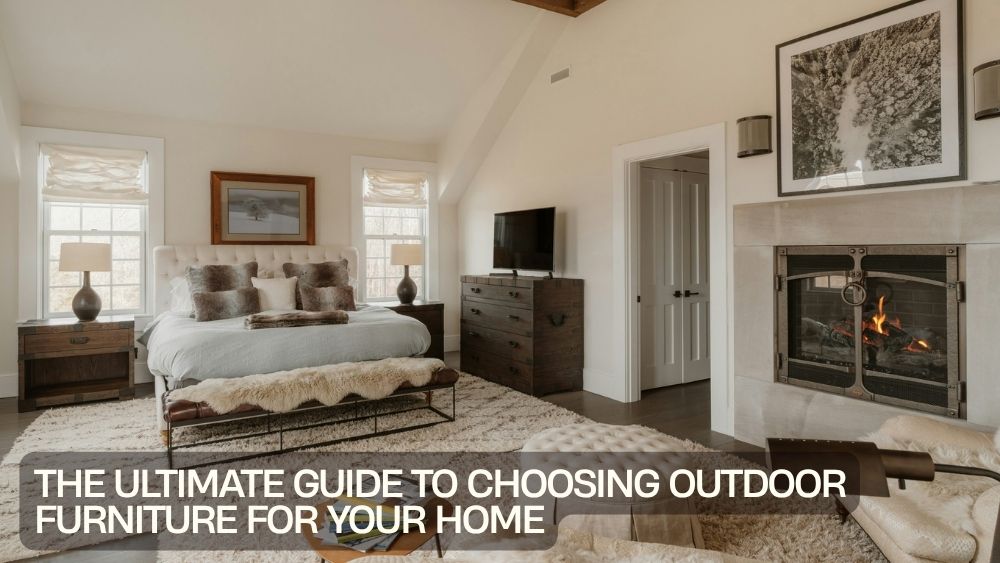
An ottoman can be far more than a place to rest your feet. The right one can provide extra seating, hide everyday clutter, soften a room, complete a furniture arrangement, or even become the unexpected star of your decor.
That versatility makes ottomans incredibly useful. It can also make choosing one surprisingly tricky.
Should you pick a compact stool or a large bench? Do you need hidden storage? Would a bold fabric improve the room, or should the ottoman quietly blend into the existing furniture?
This guide explores how to find the right ottoman for different rooms, spaces, and lifestyles so you can choose a piece that looks good and works hard.
Start With How You Want to Use Your Ottoman
Before thinking about color or fabric, decide what job your ottoman needs to perform.
An ottoman can work as:
- A comfortable footrest
- Extra seating for guests
- A coffee-table alternative
- A bedroom bench
- A vanity stool
- A storage solution
- A decorative accent
- A flexible piece of multifunctional furniture
If you want to put your feet up after a long day, comfort should lead the decision. If clutter is your main enemy, look for a storage ottoman. If you're furnishing a small room, choose something compact and easy to move.
The best ottoman is the one that solves a real problem while adding something attractive to the room.
Ottomans for Living Rooms
The living room is one of the easiest places to use an ottoman because the furniture already encourages multiple functions.
An ottoman can sit in front of a sofa as a footrest, serve as additional seating when guests arrive, or replace a traditional coffee table when paired with a suitable tray.
For a more substantial look, consider a storage bench. A 51-inch storage ottoman bench with solid wood legs combines seating, footrest functionality, and concealed storage in one larger piece.

This type of furniture works especially well in busy living rooms where blankets, pillows, books, and other items need somewhere to disappear.
Match the Ottoman to Your Sofa
Pay attention to proportions.
A tiny ottoman paired with a large sectional can look visually lost. A huge ottoman in front of a compact loveseat can make the room feel cramped.
Ideally, the ottoman should complement the scale of your main seating without blocking walking paths.
Also consider height. A footrest that is significantly taller or lower than the sofa seat may feel awkward when you try to relax.
Ottomans for Bedrooms
Bedrooms are another natural home for ottomans.
Place one at the foot of the bed and you instantly create a useful seating area. It can become a spot for putting on shoes, arranging clothes, or simply sitting down with a cup of coffee.
A padded storage ottoman can also provide hidden space for extra bedding, blankets, seasonal clothing, or accessories.
For example, a corduroy upholstered storage ottoman bench can add texture and softness while giving the bedroom practical storage.

If your bedroom already contains plenty of furniture, choose a streamlined design. The goal is to add function without turning the room into a furniture traffic jam.
Ottomans for Small Spaces
Small rooms demand smart furniture choices.
An ottoman can be particularly valuable because one compact piece can perform several jobs.
A small ottoman can act as a footrest during the evening, extra seating when friends visit, and a decorative accent when not in use.
Storage ottomans are especially useful because they give you a place to hide clutter without requiring another cabinet or shelving unit.
For tight spaces, look for:
- Compact dimensions
- Lightweight construction
- Hidden storage
- Rounded or simple edges
- Easy-to-move designs
- Neutral or space-friendly colors
Avoid choosing an oversized ottoman simply because you love the design. Measure first. Your future self will appreciate the extra three inches of walking space.
Ottomans for Home Offices
Your home office doesn't have to be completely businesslike.
A compact ottoman can create a comfortable secondary seating option for reading, brainstorming, or taking a break away from your desk.
It can also work as a footrest beneath a desk, provided the dimensions fit comfortably underneath.
For smaller workspaces, choose a design that can move easily. You can pull it out when needed and tuck it away afterward.
A multifunctional ottoman can make a home office feel more flexible without taking over the room.
Ottomans for Entryways
Entryways often need to accomplish several things in a very small area.
You need somewhere to sit while putting on shoes. You need a place for bags. You may also need storage for accessories.
An ottoman bench can help combine those functions.
A longer storage bench provides seating while creating concealed storage underneath. This can be useful for shoes, scarves, bags, or other everyday items.
Choose an entryway ottoman that doesn't obstruct the door or walking path. A beautiful bench that forces everyone to perform a sideways shuffle is not exactly a design victory.
Choose a Storage Ottoman for Extra Organization
Storage ottomans are among the most practical choices for busy homes.
They combine the comfort of upholstered furniture with hidden storage space.
A storage ottoman bench with a high weight capacity can provide useful seating while helping keep everyday items out of sight.

Think about what you want to store before buying.
For example, shallow storage may work for magazines and small accessories, while deeper compartments can handle blankets, cushions, toys, or seasonal items.
The best storage ottoman isn't simply the one with the biggest compartment. It is the one whose storage capacity matches your actual needs.
Consider a Vanity Ottoman or Stool
A compact ottoman can also become part of a bedroom beauty station.
If you have a vanity table, a small upholstered stool can provide comfortable seating without consuming much floor space.
The SONGMICS small vanity stool with storage combines seating with additional storage, making it particularly useful where space is limited.

Look for a height that works comfortably with your vanity. You should be able to sit naturally without leaning awkwardly toward the mirror.
Think About Fabric and Texture
The material of an ottoman can dramatically influence the mood of a room.
Velvet can create a rich, sophisticated appearance. Corduroy adds tactile warmth. Faux leather can produce a cleaner, more structured look.
Think about the furniture already in your room.
If your sofa has a smooth texture, a more tactile ottoman can add visual interest. If the room already contains several bold textures, a simpler upholstery choice may create better balance.
A velvet storage ottoman with solid wood legs can bring softness and decorative character to living rooms and bedrooms alike.

Choose the Right Shape
Ottomans come in many shapes, and each creates a different visual effect.
Rectangular Ottomans
Rectangular designs are excellent for sofas and beds. They provide plenty of surface area and can work particularly well as benches.
Square Ottomans
Square ottomans suit sectional sofas and compact seating arrangements. They can also work as flexible coffee-table alternatives.
Round Ottomans
Round designs soften rooms filled with straight furniture lines. They are particularly useful when you want a more relaxed visual flow.
Compact Stools
Small stools work well in bedrooms, dressing areas, offices, and entryways where space is limited.
Choose the shape based on both appearance and practicality.
Think About Weight and Portability
If you plan to move your ottoman regularly, weight matters.
A lightweight ottoman can move between the living room and bedroom when extra seating is needed. A larger storage bench may be better suited to one permanent location.
Consider how frequently you'll move it.
If you rearrange furniture often, look for manageable dimensions and sturdy construction that won't become a chore to relocate.
Pay Attention to Weight Capacity
If your ottoman will regularly function as seating, check its weight capacity.
This becomes particularly important for larger benches that may accommodate two people.
Don't treat weight capacity as an obscure specification buried at the bottom of a product description. It directly affects how safely and comfortably the ottoman can be used.
Coordinate Color Without Making Everything Match
Your ottoman doesn't need to be an exact match for your sofa.
In fact, coordinating rather than perfectly matching can create a more interesting interior.
You can connect the ottoman to the room through:
- Similar colors
- Complementary shades
- Matching wood finishes
- Repeated textures
- Similar design details
- Accent colors already present in the room
For a neutral room, a colorful ottoman can become an eye-catching accent.
For a colorful room, a neutral ottoman can help calm the overall composition.
Measure Before You Buy
This is the step people love to skip and later regret.
Measure the available area before choosing your ottoman.
Check:
- Width
- Depth
- Height
- Clearance around the furniture
- Door and walkway clearance
- Distance from sofas or beds
- Available storage space
If you're placing an ottoman in front of a sofa, leave enough room for people to move around it comfortably.
If you're placing one at the end of a bed, make sure there is still adequate walking space around the sides.
Good furniture placement should feel effortless.
Choose an Ottoman That Fits Your Lifestyle
A household with children may need durable, easy-care upholstery.
A minimalist home may benefit from a simple ottoman with clean lines.
A busy family may get more value from a large storage bench.
Someone furnishing a compact apartment might prefer a small multifunctional stool.
There is no universally perfect ottoman. The right choice depends on how you live.
Explore Different Ottoman Styles
From decorative accent pieces to practical storage benches, there is plenty of variety to explore.
You can browse the TotalFindz ottoman collection to compare different styles, sizes, and functions for various rooms.
Start with your needs, then narrow your choices based on dimensions, materials, color, and design.
Final Thoughts
The humble ottoman has quietly evolved into one of the most versatile pieces of home furniture.
It can provide a comfortable place to rest your feet, create extra seating, hide clutter, complete a bedroom, support a vanity setup, or add a splash of personality to an otherwise ordinary room.
The key is choosing with purpose.
Measure your space. Decide how you'll use the ottoman. Consider storage, comfort, materials, shape, height, and weight capacity. Then choose a design that complements the furniture you already own.
Whether you're furnishing a spacious living room or squeezing functionality into a compact bedroom, the right ottoman can make the room work harder without making it feel busier.
Sometimes, the smallest piece of furniture has the biggest job description.