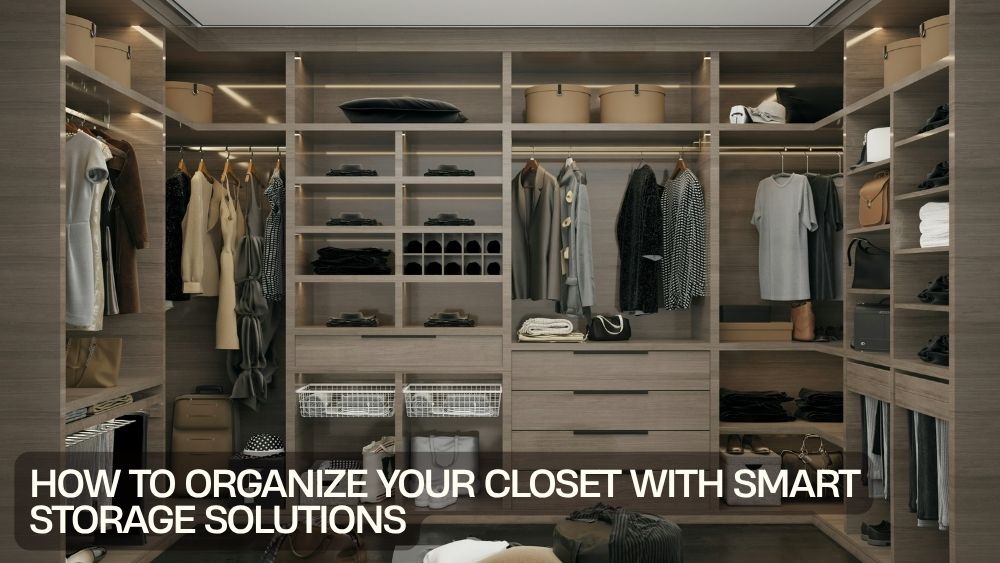
A well-organized closet can completely change the way your bedroom feels. When clothes, shoes, accessories, and everyday essentials have a proper place, getting ready becomes easier and your space feels calmer. The trick is not simply adding more storage. It is choosing storage that works with the way you actually use your closet.
From hanging racks and shelves to clever hooks and compact organizers, the right setup can turn an overcrowded wardrobe into a practical storage zone. Whether you have a compact bedroom closet or a spacious walk-in wardrobe, a few smart changes can make every inch count.
Start by Clearing the Closet
Before buying new storage products, take everything out of your closet. Yes, everything. This is where the closet makeover gets real.
Sort your belongings into simple groups such as clothes, shoes, accessories, seasonal items, laundry, and things you rarely use. Remove items you no longer need or wear. A smaller collection is much easier to organize.
Once the clutter is under control, look carefully at the available space. Check the height, width, shelves, hanging areas, corners, and floor space. These details will help you choose storage solutions that fit instead of creating another layer of clutter.
Think Vertically
One of the easiest ways to improve closet storage is to look upward.
Many closets have unused vertical space above hanging clothes or along empty walls. Tall racks and shelving systems can turn this overlooked area into valuable storage.
A freestanding clothing rack can be particularly useful when you need additional hanging space. The freestanding bamboo clothing rack combines a hanging rod with storage shelves and side hooks, making it useful for clothes, accessories, bags, and other everyday items.

Vertical storage works especially well in smaller bedrooms because it adds capacity without taking up a huge amount of floor space.
Create a Better Hanging System
Not every garment needs to be folded. Shirts, jackets, dresses, coats, and other items often work better on hangers.
If your existing closet rod is crowded, consider adding a separate clothing rack. It can create a dedicated area for frequently worn clothes while keeping the main wardrobe less congested.
For homes with limited closet space, a portable rack can also provide flexibility. You can position it in a bedroom, dressing area, laundry room, or hallway depending on your needs.
The goal is simple: keep frequently used clothes easy to reach while storing less-used items elsewhere.
Use Shelves for Everyday Essentials
Shelves are the quiet heroes of closet organization. They provide a home for folded clothes, shoes, bags, boxes, towels, and accessories without requiring additional hanging space.
If your closet lacks enough shelving, consider adding a freestanding storage rack. Multiple levels allow you to divide belongings by category, which makes everything easier to find.
For example, use one shelf for folded shirts, another for jeans, another for bags, and another for accessories. Suddenly, finding an outfit becomes less like archaeological excavation.
Make Corners Work Harder
Closet corners are often difficult to use efficiently. They can become dead zones where bags, boxes, and miscellaneous items pile up.
A corner storage solution can help reclaim this space. Look for racks or shelving designed to fit into corners rather than leaving awkward gaps.
This principle also applies outside the bedroom closet. Entryway storage can help manage coats, shoes, hats, umbrellas, and bags before they become bedroom clutter.
A corner hall tree with shoe bench is one example of a multifunctional setup. It combines hooks, seating, and storage, creating a dedicated drop zone for everyday essentials.

Separate Clean Clothes from Laundry
Laundry can quickly disrupt an organized closet.
Clean clothes should have designated storage areas, while worn clothes need their own temporary home. Keeping these categories separate makes your closet easier to maintain.
A clothes-drying rack can also become a useful part of your overall clothing-care system. Instead of hanging damp garments over chairs or doors, you can create a dedicated drying area.
The stainless steel clothes drying rack provides multiple levels and a rolling design, making it practical for laundry organization.

For homes where flexibility matters, a foldable design can be especially useful because you can store it away when it is not needed.
Choose Adjustable Storage When Possible
Your storage needs can change throughout the year. Winter coats require more space than summer shirts. Bulky sweaters need more room than lightweight tops.
That is why adjustable storage can be a smart choice.
A height-adjustable drying rack, for example, can adapt to different garments and laundry needs. The Giantex adjustable-height clothes drying rack offers multiple height positions and a foldable design.

Flexibility is particularly useful when you live in a smaller home where one product may need to serve several purposes.
Give Accessories Their Own Space
Accessories are small, but they can create surprisingly large amounts of clutter.
Belts, scarves, hats, handbags, umbrellas, and other items should have designated places. Hooks are useful for items that need to stay visible and accessible.
A standing coat rack can provide additional hanging space without requiring permanent installation. The wood standing hat and coat rack includes space for coats and hats while also offering an umbrella stand.

This type of storage can work particularly well near a bedroom door or entryway.
Don't Ignore Laundry and Bathroom Storage
Closet organization often overlaps with other parts of the home.
Towels, toiletries, laundry supplies, and everyday linens can quickly consume valuable cabinet space. Creating dedicated storage in bathrooms or laundry areas can reduce pressure on your bedroom storage.
A compact shelf can add useful vertical storage without requiring a major renovation. For example, the Giantex bathroom shelf with towel rack uses the area above the toilet for additional organization.

Smart storage is not always about one giant closet. It is about giving every category a sensible home.
Make Small Closets Feel Bigger
If you are organizing a small closet, avoid filling every available inch with bulky furniture.
Instead, prioritize slim, multifunctional pieces. Choose racks with shelves, hooks, or multiple levels. Use vertical space before expanding outward.
Keep frequently used items at eye level. Place occasional-use belongings higher up or in less accessible areas.
You can also use a rotation system. Store seasonal clothes separately and bring them forward when the weather changes. This reduces visual clutter and gives your everyday wardrobe more breathing room.
Organize by How You Live
There is no single perfect closet system.
Someone who wears business clothes every day may want a large hanging section. Someone who prefers casual outfits may need more folded storage. A family may need separate areas for each person's belongings.
Think about your daily routine.
If you reach for the same clothes every morning, keep them within easy reach. If you frequently use hats or bags, place hooks near the entrance. If laundry is a constant challenge, create a dedicated clothing-care zone.
Good organization follows your habits rather than forcing your habits to follow the furniture.
Build a Functional Clothing-Care Zone
Closet organization is about more than storing clothes. It also includes maintaining them.
A dedicated drying rack can make laundry days more manageable. Foldable models are particularly helpful because you can open them when needed and put them away afterward.
For smaller homes, this flexibility matters. One product can serve as a drying station without permanently occupying valuable floor space.
A well-planned clothing-care zone can include a drying rack, laundry basket, folding surface, and storage for cleaning essentials.
Keep Frequently Used Items Accessible
Storage works best when the things you use most are easiest to reach.
Keep everyday clothing between waist and eye level. Place seasonal items, spare bedding, and occasional accessories higher up or farther back.
This simple approach reduces unnecessary searching and helps maintain your organization.
You can also group items by purpose. For example, keep workwear together, casual clothing together, and special-occasion pieces together. Your closet becomes easier to navigate because every section has a clear job.
Add Storage Without Losing Style
Organization does not have to make your bedroom look like a warehouse.
Choose materials and finishes that complement your existing decor. Bamboo can bring warmth and texture. Metal can create a clean contemporary look. Neutral finishes can blend naturally with modern interiors.
A stylish rack can function as both storage and furniture. Open shelving can display attractive accessories while keeping frequently used items visible.
The best modern closet organization combines practicality with visual simplicity.
Keep Your Closet Organized Long-Term
The hardest part is not organizing your closet once. It is keeping it organized.
Spend a few minutes each week returning items to their proper places. Avoid letting clothes accumulate on chairs or floors. When you buy something new, consider whether you genuinely have room for it.
A simple seasonal reset can also help. Review your wardrobe every few months and move seasonal pieces into less accessible storage.
Small maintenance habits prevent the big closet disaster from returning.
Smart Storage Starts with the Right Pieces
Creating an organized closet does not require an expensive renovation. The right combination of shelves, hanging racks, hooks, and multifunctional furniture can dramatically improve your space.
Start with your biggest storage problem. If hanging space is limited, add a clothing rack. If corners are wasted, use corner storage. If laundry is taking over the bedroom, create a dedicated drying area. If accessories are scattered everywhere, introduce hooks and designated storage zones.
For more options, explore the complete closet organizers collection and build a setup around your home's actual needs.
The best closet is not necessarily the biggest one. It is the one where everything has a place, the things you need are easy to find, and getting dressed does not begin with a ten-minute search through a mountain of clothes.
With thoughtful closet storage solutions, practical closet organizers for small spaces, and a little consistency, you can turn even a crowded wardrobe into a clean, efficient, and stylish part of your home.