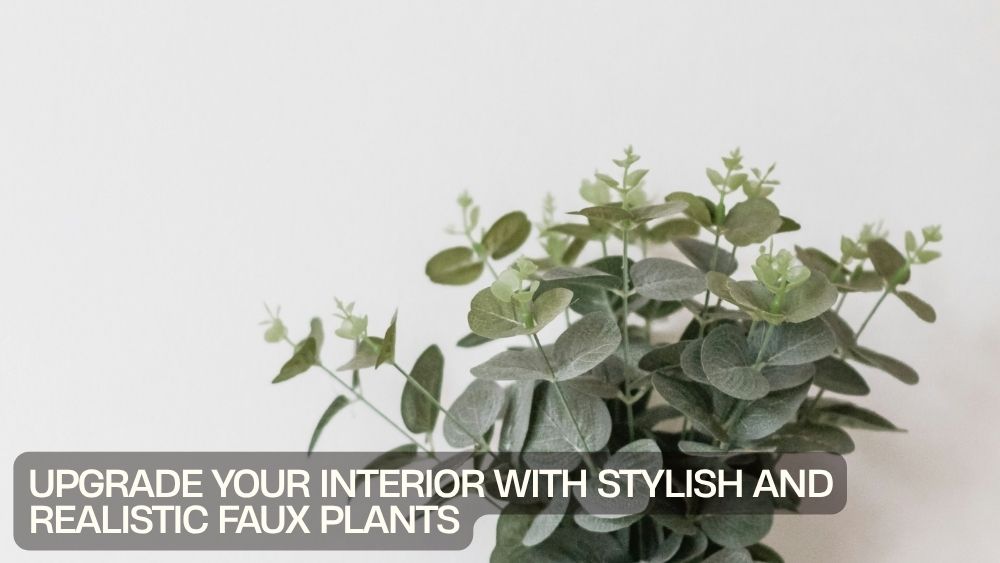
There is something wonderfully transformative about greenery. A single well-placed plant can soften a sharp corner, brighten a dull room, or make a minimalist interior feel more inviting.
But real plants come with responsibilities. Watering schedules, sunlight requirements, pruning, fallen leaves, and the occasional plant that mysteriously gives up on life can turn decorating into a part-time job.
That is where realistic faux plants for home interiors step in.
Today's artificial greenery has moved far beyond the plastic-looking decorations of the past. With lifelike leaves, natural-looking trunks, convincing textures, and thoughtfully designed shapes, modern faux plants can bring the visual warmth of greenery into almost any space without demanding constant care.
If you want to refresh your home while keeping maintenance refreshingly low, here is how to make artificial greenery work beautifully throughout your interior.
Why Faux Plants Are Having a Moment
Modern interiors often need softness.
Clean furniture lines, neutral walls, glass surfaces, and hard flooring create a polished look, but too much structure can make a room feel cold. Greenery breaks up those hard edges and introduces a natural visual element.
Stylish artificial plants offer that effect without requiring natural light or regular watering.
They can sit in a dark hallway, brighten a home office, frame a television console, or fill an empty bedroom corner. They remain green throughout the year and require very little attention.
For busy households, they are a particularly practical decorating choice.
Choose Realistic Faux Plants That Look Natural
The biggest difference between convincing artificial greenery and obvious faux décor is detail.
Look for plants with varied leaf shapes, natural color variation, realistic stems, and organic growth patterns. Perfectly identical leaves can make a plant look artificial, while subtle imperfections create a more natural appearance.
Lifelike faux plants should also have a convincing silhouette.
A tall plant should spread naturally rather than appearing like a rigid collection of leaves. Trees with bendable branches can be especially useful because you can adjust their shape after placing them in your room.
A 4ft Dracaena artificial plant with bendable trunks offers that kind of flexibility, making it easier to create a shape that suits your interior.

Start with Your Room's Empty Spaces
Before buying anything, walk around your home and identify areas that feel unfinished.
Look at:
- Empty corners
- Bare entryways
- Open shelves
- Console tables
- Bedroom corners
- Home office spaces
- Television areas
- Window-side spaces
- Large unused floor areas
These spots can become ideal locations for faux plants for home decor.
A tall artificial tree can fill an awkward corner beautifully. A smaller plant can add life to a shelf or side table.
The goal is not to place greenery everywhere. It is to use plants strategically.
Bring Height into Your Interior
One of the easiest ways to make a room feel more dynamic is to introduce different heights.
Furniture often occupies the lower and middle portions of a room. A tall artificial tree draws the eye upward and makes use of vertical space.
A 6ft artificial fiddle leaf fig tree can create a strong focal point in a living room, bedroom, office, or spacious entryway.

Its height can help balance low furniture such as sofas, cabinets, benches, and media consoles.
For smaller rooms, choose a more compact plant so the greenery complements the space instead of overwhelming it.
Use Faux Plants to Soften Living Rooms
Living rooms are natural territory for artificial greenery.
A tall plant beside a sofa can soften the room's edges. A decorative tree next to a TV console can balance the entertainment area. Smaller greenery can add texture to shelves or coffee tables.
For a polished look, combine plants with your existing décor rather than treating them as separate accessories.
For example, place greenery near wooden furniture to reinforce a warm, natural theme. Pair plants with neutral upholstery for a relaxed modern aesthetic.
Faux plants for living rooms work particularly well when they repeat natural tones already present in the space.
Make Bedrooms Feel More Relaxing
Bedrooms benefit from softer visual elements.
A carefully positioned artificial plant can introduce greenery without adding another maintenance task to your morning routine.
Consider placing a tall faux tree in an empty corner or a smaller plant near a dresser. Keep the arrangement simple so the room remains restful rather than visually crowded.
Faux plants for bedrooms can also complement natural materials such as wood, linen, rattan, and woven textures.
The result is a room that feels warmer and more layered without changing the major furniture pieces.
Give Your Home Office a Fresh Look
Home offices can easily become dominated by screens, desks, cables, and storage.
A little greenery can break up that technology-heavy atmosphere.
Place a faux plant beside your desk, near a bookshelf, or in an unused corner. The greenery adds visual contrast while requiring none of the sunlight management that real plants often demand.
Faux plants for offices are particularly useful when your workspace has limited natural light.
A carefully selected artificial plant can bring the look of nature into the room without competing with your workspace.
Try Topiary for a More Refined Look
Not every interior needs a wild tropical plant.
Topiary designs offer a more structured and polished approach to greenery.
Their carefully shaped forms can complement traditional interiors, contemporary homes, entryways, patios, and formal spaces.
A 20-inch artificial boxwood topiary ball set can add symmetrical greenery to an entrance or outdoor area.

For a larger arrangement, a 35-inch potted artificial boxwood topiary set can create a more substantial decorative statement.

Topiary works especially well when you want greenery to look intentional and architectural.
Create a Statement with Artificial Bamboo
If you want a fuller, more tropical appearance, bamboo can make a dramatic impact.
Tall bamboo plants add vertical height while their numerous leaves create movement and texture.
A 5ft artificial bamboo tree set can work particularly well in corners, entryways, living rooms, and office spaces.

Place it beside a neutral wall or furniture piece where the greenery has room to stand out.
The key is giving larger faux plants enough breathing room. A statement plant needs visual space around it to look intentional rather than crowded.
Add Traditional Greenery with Cedar
For interiors that lean toward classic or transitional design, cedar-inspired topiary trees can provide a timeless decorative touch.
A decorative artificial cedar topiary tree set can work in both indoor and outdoor settings.

Use matching plants on either side of an entryway for symmetry, or separate them around the room to create visual balance.
Symmetry is particularly effective when decorating entrances, fireplaces, large windows, or formal dining areas.
Add Drama with Faux Wisteria
Some spaces need more than a simple floor plant.
A tall flowering tree can create a dramatic focal point while introducing color and texture.
A 5.9ft artificial wisteria tree brings a distinctive decorative presence with its cascading appearance and purple floral accents.

This type of plant can work beautifully in a reading corner, bedroom, entryway, or living room where you want the greenery to become part of the room's personality.
Think About Scale Before You Buy
Scale matters enormously with artificial plants.
A tiny plant can disappear beside a large sectional sofa. A huge artificial tree can overwhelm a compact apartment.
Match the plant size to the furniture around it.
Tall plants work well beside large furniture pieces. Medium plants suit corners and consoles. Smaller greenery works beautifully on shelves, desks, nightstands, and tables.
If you are decorating a large room, consider grouping different heights rather than relying on one plant.
This creates depth and makes the arrangement feel more organic.
Use Faux Plants to Define Different Zones
Open-plan homes can sometimes feel visually disconnected.
Plants can help divide spaces without blocking light or making the room feel closed.
For example, a tall artificial tree can subtly separate a living area from a dining space. A pair of plants can define the entrance to a home office. Smaller plants can visually distinguish a reading corner.
This makes artificial greenery for interiors more than decoration. It becomes a design tool.
Mix Greenery with Your Existing Décor
Faux plants look best when they feel integrated into the room.
Pair them with:
- Wooden furniture
- Woven baskets
- Neutral rugs
- Natural-texture accessories
- Stone finishes
- Rattan furniture
- Warm lighting
- Earth-tone décor
You can also use decorative planters to change the overall look.
A simple plant in a sleek planter can suit a modern interior. A textured or rustic planter can create a farmhouse-inspired feel.
The plant may be artificial, but the styling does not have to look artificial.
Keep Maintenance Simple
One of the biggest advantages of low-maintenance home decor is convenience.
Faux plants do not need watering, fertilizer, sunlight, or seasonal repotting.
They still benefit from occasional cleaning, though.
Dust can accumulate on leaves over time, especially in busy rooms. Gently wiping or dusting the foliage periodically helps maintain its realistic appearance.
Keep the plants away from areas where they can easily be knocked over, especially if you have pets or children.
A stable base and suitable placement can keep your greenery looking polished for longer.
Make Small Spaces Work Harder
Small homes do not have to sacrifice greenery.
Choose narrow artificial trees or compact plants that use vertical space rather than valuable floor area.
A tall, slim plant can add height without consuming much room. Smaller decorative plants can brighten shelves and furniture surfaces.
Artificial plants for small spaces are particularly useful because you can introduce greenery without needing to reserve space for watering or sunlight.
In a compact apartment, one carefully chosen statement plant can often make more impact than several small decorations.
Build a Balanced Greenery Collection
You do not need to turn your home into a botanical showroom.
Instead, create a balanced collection.
Start with one statement tree. Add a few medium-sized plants around major rooms. Then introduce smaller greenery on shelves or tables.
Repeat similar tones and textures so the plants feel connected throughout the home.
This creates a consistent visual rhythm.
You can explore the TotalFindz faux plants collection for different shapes, sizes, and styles to build that layered look.
Final Thoughts
Realistic faux plants offer an easy way to refresh an interior without adding another daily responsibility.
From tall fiddle leaf figs and bamboo trees to structured boxwood topiary and colorful wisteria, artificial greenery can suit almost any decorating style.
The secret is choosing the right size, shape, placement, and planter for your room.
Use tall plants to add height. Use smaller greenery to decorate surfaces. Choose topiary for structure and symmetry. Pick fuller trees when you want a dramatic focal point.
Most importantly, let the plants support your existing décor rather than compete with it.
With the right combination of stylish artificial plant decor, thoughtful placement, and realistic textures, you can create an interior that feels fresh, warm, and effortlessly green all year long.