Kids' rooms have a special talent for turning five minutes of play into a full-scale floor takeover.
One minute, everything is tidy. The next, books are scattered across the carpet, toys have migrated under the bed, and yesterday's outfit is somehow hanging from a chair.
The answer isn't simply telling children to clean up more often. A well-designed storage system makes tidying easier in the first place.
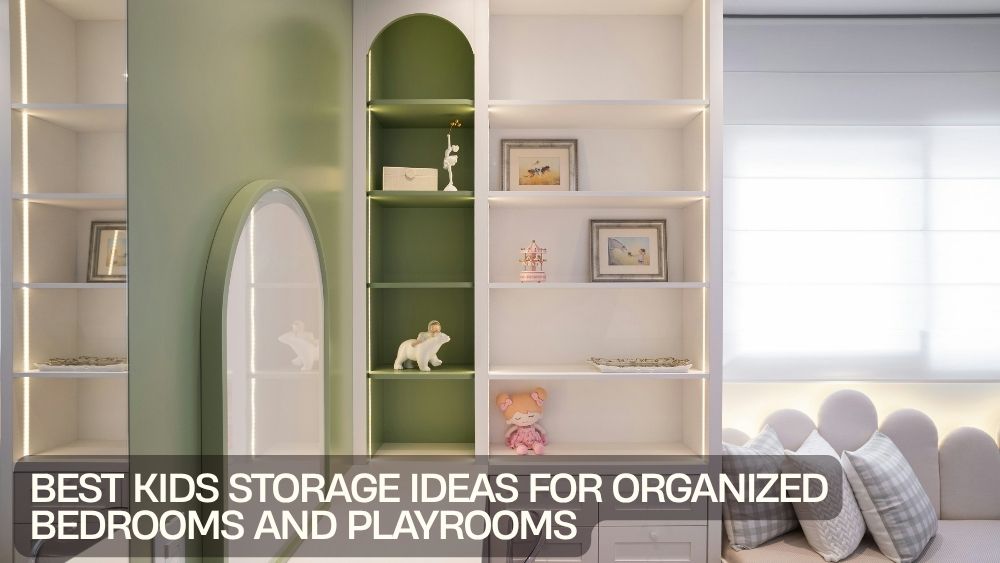
The best kids storage ideas combine accessibility, functionality, safety, and a little personality. When children can see where their belongings belong and reach them without constant help, organization becomes part of everyday life.
From floating shelves and bookshelves to wardrobes, cube storage, and toy chests, there are plenty of ways to create a bedroom or playroom that feels calmer and works harder.
Start With the Space You Have
Before choosing storage furniture, take a look at the room.
How much floor space is available? Are there empty walls that could be used? Does the room need more toy storage, clothing storage, book organization, or a combination of everything?
These questions help you avoid buying storage that looks useful but doesn't actually fit the room.
For a broad selection of practical solutions, explore the TotalFindz Kids Storage Collection.
A good storage setup should work with the room rather than overwhelm it.
In smaller bedrooms and playrooms, vertical storage can be especially useful. Walls provide valuable storage opportunities without taking away too much floor space.
Use Wall Space for Everyday Items
Floating shelves are excellent for rooms where floor space is limited.
They can hold books, toys, decorations, artwork, or favorite objects while keeping surfaces organized.
The 2-Piece Floating Dolphin Shelves in White add a playful touch while creating useful display and storage space.

Wall-mounted shelves can also make children's belongings easier to see.
Instead of hiding everything inside a large cabinet, you can place frequently used items where children can identify them quickly.
The result is a room that feels organized without becoming overly formal.
Create a Dedicated Book Zone
Books deserve their own storage strategy.
Traditional tall bookcases can sometimes make it difficult for young children to see or reach their favorite books. A child-friendly bookshelf with accessible compartments can encourage independent reading and make returning books much easier.
The Kids Bookshelf with Open Compartment is designed around easy access for younger children.

Place a bookshelf somewhere your child spends time reading or playing.
Keep favorite books at a comfortable height, then rotate the selection occasionally to keep the space interesting.
This approach turns storage into part of the room's daily routine rather than something children only notice when it's time to clean.
Add Color Without Creating Visual Chaos
Kids' bedrooms don't have to be perfectly neutral.
Color can make storage more inviting, especially when you're organizing a playroom where toys and creativity are already part of the atmosphere.
The 2-Piece Floating Dolphin Shelves in Blue offer another playful option for displaying books, toys, and small decorative pieces.

The trick is balance.
If the room already contains bright bedding, rugs, toys, and wall décor, colorful storage can become another layer of visual energy. In that case, use a few coordinated colors instead of introducing every shade in the rainbow.
The goal is fun organization, not sensory overload.
Make Dress-Up Storage Part of the Play
Dress-up clothes are wonderful for imaginative play, but they're notoriously difficult to organize.
Princess costumes, superhero outfits, hats, accessories, and pretend-play clothing can quickly become a heap in a corner.
A dedicated wardrobe can change that.
The Kids Dress-Up Storage with Mirror and Open Hanging Rack gives dress-up clothing its own space while making the process of choosing an outfit part of the fun.

Open hanging storage also makes costumes easier to see.
Instead of digging through a box, children can browse their options and put items away when playtime ends.
That's a small organizational improvement with a surprisingly big effect.
Try Cube Storage for Maximum Flexibility
Cube storage is one of the most versatile kids storage solutions because it can adapt as children grow.
Individual compartments can hold toys, books, clothes, craft supplies, games, or baskets.
The 8-Cube Kids Wardrobe Closet with Hanging Section and Doors combines multiple storage areas in one piece, giving families options for organizing different categories of belongings.

You can dedicate one cube to pajamas, another to toys, another to books, and another to accessories.
As your child's needs change, simply change what each section stores.
That's the beauty of flexible storage.
It doesn't have to stay frozen in one configuration.
Give Toys a Proper Home
Toy storage is the heart of most playroom organization systems.
The best setup makes toys easy to access and equally easy to put away.
A toy chest can be particularly useful for larger collections of stuffed animals, blocks, vehicles, dolls, and other playthings that don't need individual compartments.
The QABA Toy Chest with Safety Hinges and Groove Handles provides a dedicated place for toys while helping keep the floor clear.

When using toy chests, consider grouping similar toys together.
You don't need to label every single object. Broad categories such as "cars," "building toys," "soft toys," and "games" can be enough.
Simple systems are more likely to survive everyday family life.
Use Storage Bins Inside Larger Systems
Storage bins can turn open shelving into a highly organized system.
Instead of allowing small toys to spread across multiple shelves, place them into individual bins. This creates visual boundaries and makes cleanup faster.
Bins are especially useful for:
- Building blocks
- Art supplies
- Small vehicles
- Dolls and accessories
- Puzzles
- Craft materials
- Seasonal toys
For younger children, use simple categories.
The younger the child, the easier the storage system should be.
If putting something away requires six steps, chances are it won't happen consistently.
Keep Frequently Used Items Within Reach
One of the most important principles of kids' room organization is accessibility.
Children are more likely to use and return belongings when they can reach them independently.
Place everyday toys, books, and clothing at child-friendly heights.
Higher shelves can be reserved for items that require adult supervision or are used less frequently.
This creates two storage zones: an independent zone for everyday belongings and an adult-access zone for special or less frequently used items.
It also helps parents control clutter without constantly moving things around.
Create Different Zones in the Playroom
A playroom becomes easier to manage when different activities have designated areas.
Think of the room as a collection of small zones.
Reading zone: bookshelf, comfortable seating, and favorite books.
Creative zone: art supplies, paper, coloring materials, and craft storage.
Building zone: blocks, construction sets, and puzzles.
Pretend-play zone: costumes, accessories, and imaginative-play toys.
General toy zone: larger toys and everyday favorites.
Storage should support each zone.
When everything has a logical home, children can understand where items belong without needing a daily lecture from the household's unofficial cleanup manager.
Make Small Rooms Work Harder
Small bedrooms require smarter storage rather than simply more furniture.
Use vertical space whenever possible.
Floating shelves, compact wardrobes, wall-mounted organizers, and multifunctional furniture can increase storage without filling the room with bulky pieces.
Underused corners can also become valuable.
A narrow storage unit can fit into a forgotten section of the room. Wall shelves can turn empty wall space into useful display areas.
The goal is to preserve enough open floor space for children to move, play, and relax.
Storage should support the room's purpose, not consume it.
Choose Storage That Grows With Your Child
Children change quickly.
A storage solution that works perfectly for a toddler may feel completely unsuitable a few years later.
That's why adaptable furniture is valuable.
Open shelves can start with toys and later hold books. Cube compartments can move from stuffed animals to clothing. A wardrobe can transition from dress-up costumes to everyday outfits.
Think about how the furniture could be used two or three years from now.
A flexible storage system can become part of the room for much longer than a single childhood phase.
Make Cleaning Easier With Simple Categories
Organization doesn't need to become a complicated household project.
Start with a few broad categories.
Try:
- Books
- Toys
- Clothes
- Art supplies
- Games
- Dress-up items
- Keepsakes
Then give each category a home.
For younger children, pictures or simple labels can make the system easier to understand.
You can even create a quick five-minute cleanup routine before bedtime.
Put books away.
Return toys to their bins or chest.
Hang costumes.
Place clothes in the wardrobe.
Done.
The room doesn't need to look like a furniture showroom. It simply needs a system that makes everyday life easier.
Keep Safety in the Storage Plan
Kids' storage should always be considered alongside safety.
Furniture should be positioned and secured appropriately according to the manufacturer's instructions. Heavy items should not be stored where they could fall onto a child, and storage systems should be used as intended.
For furniture with doors, lids, hinges, or moving components, follow the product's safety guidance carefully.
Storage also shouldn't block windows, exits, walkways, or other important parts of the room.
A beautiful organization system isn't successful if it creates a new hazard.
Balance Open and Closed Storage
Open storage is excellent for visibility.
Closed storage is excellent for hiding visual clutter.
The best kids storage ideas often use both.
Use open shelves for favorite books, frequently used toys, and decorative items.
Use closed cabinets, wardrobe sections, or chests for clothing, larger collections, and items you want to keep contained.
This balance creates a room that feels organized without requiring every object to be perfectly displayed.
Think About Daily Routines
Storage works best when it follows the child's routine.
If pajamas are needed every night, place them somewhere easy to access.
If books are part of bedtime, keep the bookshelf close to the sleeping area.
If dress-up play happens every afternoon, make costumes easy to reach.
If toys dominate the playroom, give the largest categories the most accessible storage.
The best storage system isn't necessarily the one with the most compartments.
It's the one that matches how the room is actually used.
Build an Organization System That Lasts
You don't have to reorganize the entire room in one afternoon.
Start with the biggest source of clutter.
If toys are taking over the floor, solve toy storage first.
If books are everywhere, create a dedicated reading zone.
If clothes are difficult to manage, improve wardrobe storage.
Then build from there.
A gradual approach makes it easier to identify what works and what doesn't.
Over time, your kids' room can evolve into a space where storage feels natural rather than forced.
Final Thoughts
The best kids storage ideas do more than remove clutter. They create a room that supports play, learning, creativity, independence, and everyday routines.
From floating shelves and accessible bookshelves to wardrobes, cube systems, and toy chests, the right combination can transform a chaotic bedroom or playroom into a space that feels practical and inviting.
Keep storage accessible. Use vertical space wisely. Combine open and closed solutions. Choose flexible furniture that can adapt as children grow.
Most importantly, make the system simple enough for children to use themselves.
Because the ultimate goal isn't a perfectly tidy room at 3 p.m.
It's a room where everything has a place, cleanup feels manageable, and there's still plenty of space left for the important business of being a kid.