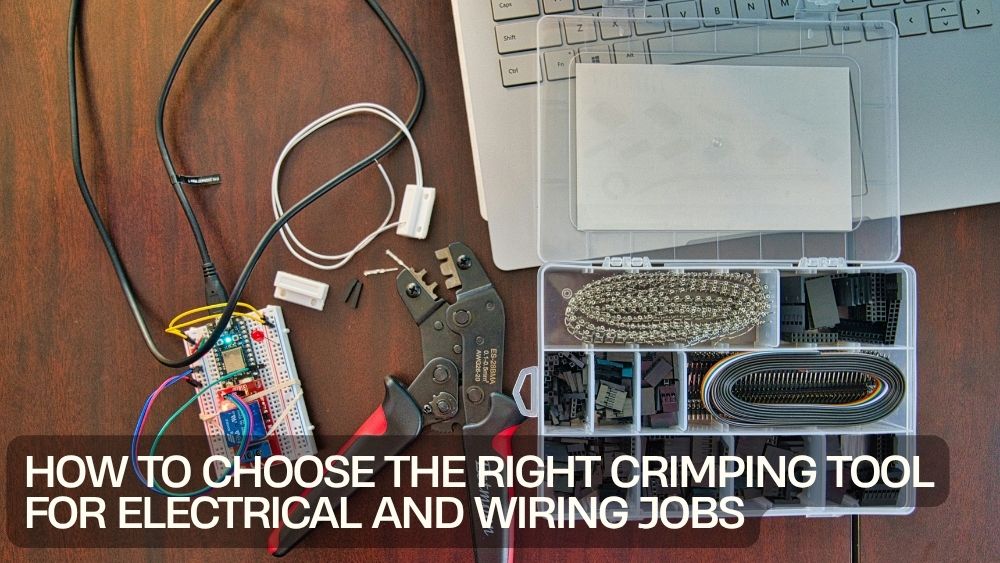
Whether you're a professional electrician, a maintenance technician, or a DIY enthusiast, having the right crimping tool is essential for creating secure, reliable, and long-lasting electrical connections. From repairing household wiring to installing industrial electrical systems, a quality electrical crimping tool helps ensure that wire terminals and connectors are attached safely and efficiently.
Unlike soldering, crimping provides a fast, clean, and dependable connection without applying heat, making it the preferred method for many electrical and wiring applications. Modern wire crimping tools are designed with precision mechanisms, ergonomic handles, and ratcheting systems that make every crimp consistent and reliable.
If you're looking for dependable crimping tools and accessories for professional or home use, browse the Crimping Tools & Accessories Collection to find high-quality solutions for a wide range of electrical, plumbing, and repair projects.
Why Choosing the Right Crimping Tool Matters
Every electrical connection plays an important role in the safety and performance of a circuit. A poorly crimped wire can result in loose connections, overheating, voltage drops, or even equipment failure.
Using the proper wire crimper offers several advantages:
- Creates secure electrical connections
- Reduces the risk of loose terminals
- Improves conductivity
- Speeds up installation and repairs
- Produces professional-quality results
- Extends the lifespan of electrical systems
- Minimizes maintenance issues
Whether you're working with automotive wiring, household electrical systems, communication cables, or industrial installations, selecting the correct terminal crimping tool helps ensure every connection performs as intended.
What Is a Crimping Tool?
A cable crimping tool is a hand-operated or powered tool designed to compress a connector or terminal onto the end of a wire or cable. This compression creates a strong mechanical bond and excellent electrical conductivity without damaging the wire strands.
Different crimping tools are engineered for different connector types, wire sizes, and applications. Using the wrong tool can lead to weak crimps or damaged connectors, making it essential to choose the correct model for your project.
Types of Crimping Tools
Understanding the available types of crimping tools makes selecting the right one much easier.
Manual Crimping Tools
Manual crimpers are the most common option for homeowners, electricians, and DIY users.
Advantages include:
- Affordable
- Easy to operate
- Lightweight
- Suitable for small projects
- Portable for job sites
They're ideal for routine electrical repairs and basic wiring work.
Ratcheting Crimping Tools
A ratcheting crimping tool uses a built-in ratchet mechanism that applies consistent pressure before releasing the handles.
Benefits include:
- Uniform crimps every time
- Reduced hand fatigue
- Improved accuracy
- Better compression
- Professional-quality connections
These tools are highly recommended for anyone performing frequent electrical installations.
Hydraulic Crimping Tools
Hydraulic models generate significantly greater force, making them suitable for larger cables and industrial applications.
They're commonly used for:
- Heavy electrical cables
- Utility work
- Construction
- Industrial machinery
- High-capacity power systems
Electric Crimping Tools
Professionals who perform repetitive crimping tasks often prefer powered tools because they improve productivity and reduce physical strain.
For demanding plumbing and pipe-joining applications, the VEVOR Pro Press Tool 18V Electric Pipe Crimping Tool delivers fast, consistent performance with multiple interchangeable jaws, making it an excellent choice for professional installers.

Common Applications for Crimping Tools
Modern electrical wiring tools are used across many industries.
Typical applications include:
Residential Electrical Work
Homeowners and electricians use crimpers for:
- Outlet installations
- Switch wiring
- Lighting systems
- Circuit breaker panels
- Appliance repairs
Reliable crimps help improve both safety and durability.
Automotive Wiring
Vehicle electrical systems rely heavily on properly crimped terminals.
Common uses include:
- Battery cables
- Audio systems
- Trailer wiring
- Lighting upgrades
- Sensor installations
A dependable wire terminal crimper helps prevent vibration-related connection failures.
Telecommunications
Communication cables require precise, clean crimps for optimal signal quality.
Crimping tools are widely used when installing:
- Network cables
- Telephone wiring
- Security systems
- Data connections
Industrial Equipment
Factories and manufacturing facilities depend on secure electrical connections throughout machinery and automation systems.
Professional-grade electrical repair tools simplify maintenance while reducing downtime.
How to Choose the Right Crimping Tool
Not every project requires the same type of crimper. Consider these factors before making your decision.
1. Know Your Wire Size
Different crimpers support different wire gauges.
Before purchasing, determine:
- Wire diameter
- Cable type
- Connector size
- Terminal style
Using a mismatched crimper can damage both the wire and connector.
2. Match the Connector Type
Different terminals require different crimping dies.
Examples include:
- Ring terminals
- Spade terminals
- Butt connectors
- Ferrules
- Heat-shrink connectors
Choosing a tool designed for your connectors improves both performance and safety.
3. Consider Your Workload
If you occasionally repair household wiring, a manual crimper may be sufficient.
However, professionals handling dozens of crimps daily benefit from powered solutions that improve speed and consistency.
For copper tubing and plumbing installations, the VEVOR Copper Tube Fittings Crimping Tool with 8 Jaws provides versatility with multiple jaw sizes and a 360-degree rotating head for easier access in tight spaces.

4. Look for Comfortable Ergonomics
Long hours of repetitive work can strain your hands and wrists.
Features to look for include:
- Non-slip grips
- Cushioned handles
- Balanced weight
- Smooth ratcheting action
- Easy one-handed operation
Comfortable tools improve productivity while reducing fatigue.
Essential Features to Look for in a Crimping Tool
Not all crimping tools are built the same. While many tools perform the basic function of compressing connectors onto wires, premium models offer features that improve accuracy, safety, and ease of use. Investing in the right electrical crimping tool can save time and help produce consistent, professional-quality results.
Ratcheting Mechanism
A ratcheting crimping tool automatically applies the correct amount of pressure before releasing the handles. This feature prevents incomplete crimps and ensures every connection is secure.
Benefits include:
- Consistent crimping pressure
- Better electrical conductivity
- Reduced user error
- Improved reliability
- Less hand fatigue
Professionals often prefer ratcheting tools because they deliver repeatable results even during high-volume work.
Interchangeable Jaws
Some crimping jobs require different jaw sizes or profiles depending on the cable or connector being used.
Interchangeable jaws offer:
- Greater versatility
- Compatibility with multiple connector types
- Reduced need for multiple tools
- Lower equipment costs over time
For users who regularly work with copper, PEX, or stainless-steel piping, the VEVOR Pro Press Tool for Copper, Stainless Steel & PEX Pipes features multiple press jaws and a powerful brushless motor, making it suitable for demanding professional applications.

Durable Construction
A quality wire crimping tool should withstand years of regular use.
Look for tools made from:
- Hardened steel
- Heat-treated alloy steel
- Corrosion-resistant materials
- Reinforced pivot joints
Durable construction ensures reliable performance even in challenging job site conditions.
Ergonomic Handle Design
Comfort plays an important role when completing repetitive electrical work.
Choose tools with:
- Non-slip grips
- Soft rubber handles
- Balanced weight
- Comfortable grip spacing
Ergonomic designs reduce strain and improve control, especially during extended projects.
Precision Crimping Dies
Well-machined crimping dies create cleaner, stronger, and more accurate connections.
Precision dies help:
- Prevent connector damage
- Improve electrical contact
- Produce uniform crimps
- Reduce installation errors
This is especially important when working with sensitive electrical components.
Common Mistakes to Avoid
Even experienced users can make mistakes when using a wire crimper. Understanding these common errors helps improve both safety and performance.
Using the Wrong Connector
Every connector is designed for a specific wire gauge and application. Mixing incompatible components can lead to weak or unreliable connections.
Always match:
- Connector size
- Wire gauge
- Tool compatibility
Choosing the Wrong Crimping Tool
Different connectors require different die shapes and compression patterns.
Using the incorrect cable connector tool may result in:
- Loose terminals
- Damaged connectors
- Reduced conductivity
- Premature failure
Over-Crimping
Applying excessive force can crush terminals or damage wire strands.
Properly calibrated tools eliminate much of this risk by applying consistent pressure.
Under-Crimping
Insufficient compression creates weak electrical connections that may loosen over time due to vibration or thermal expansion.
Always complete the full crimping cycle, particularly when using ratcheting models.
Skipping Inspection
After every crimp:
- Check connector alignment.
- Verify full compression.
- Perform a gentle pull test.
- Inspect for visible damage.
Taking a few extra seconds helps avoid costly repairs later.
Maintaining Your Crimping Tool
Proper maintenance extends the life of your electrical wiring tools while ensuring consistent performance.
Recommended maintenance includes:
- Wipe the tool clean after each use.
- Remove dirt and debris from moving parts.
- Lightly lubricate pivot points.
- Store the tool in a dry location.
- Inspect jaws for wear or damage.
- Replace worn dies when necessary.
Routine maintenance keeps your tool operating smoothly and accurately.
Safety Tips When Crimping
Safe work practices are essential when handling electrical systems.
Keep these tips in mind:
- Disconnect power before beginning electrical work.
- Wear appropriate safety glasses.
- Use insulated tools when required.
- Select the correct connector for the application.
- Verify wire gauge compatibility.
- Follow manufacturer instructions carefully.
These simple precautions help reduce the risk of injury while improving installation quality.
Choosing Between Manual and Powered Crimping Tools
Both manual and powered tools have their advantages.
Manual Crimping Tools
Best for:
- DIY projects
- Home repairs
- Occasional maintenance
- Small electrical installations
Advantages:
- Affordable
- Lightweight
- Portable
- Easy to store
Powered Crimping Tools
Best for:
- Professional electricians
- Commercial installations
- Industrial maintenance
- Large-scale projects
Advantages:
- Faster operation
- Consistent crimp quality
- Reduced physical effort
- Higher productivity
- Ideal for repetitive tasks
If your work involves frequent installations, investing in a powered terminal crimping tool can significantly improve efficiency.
Selecting the Right Tool for Your Industry
Different industries require specialized crimping solutions.
Residential Electrical Work
Choose compact, versatile tools suitable for:
- Light switches
- Outlets
- Lighting fixtures
- Household wiring
Automotive Repair
Look for crimpers compatible with:
- Battery terminals
- Automotive connectors
- Heat-shrink terminals
- Wiring harnesses
Plumbing Applications
Press tools designed for copper and PEX pipe installations simplify plumbing projects while delivering secure, leak-resistant connections.
Professional-grade powered crimpers with interchangeable jaws are especially valuable for installers handling a variety of pipe sizes.
Top Features to Look for in a Crimping Tool
Not every crimping tool offers the same level of performance. Investing in a quality tool ensures safer electrical work, better wire connections, and greater efficiency. Whether you're purchasing an electrical crimping tool for professional projects or occasional DIY repairs, paying attention to the following features will help you make the right decision.
1. Ratcheting Mechanism for Consistent Pressure
A ratcheting crimping tool automatically applies the correct amount of pressure before releasing. This feature prevents incomplete crimps and ensures every terminal is securely attached.
Benefits include:
- Uniform crimps every time
- Reduced hand fatigue
- Better electrical conductivity
- Improved safety
Professionals often prefer ratcheting tools because they produce consistent results even during long work sessions.
2. Comfortable Ergonomic Handles
Electrical installations often involve repetitive work. Ergonomic grips reduce strain and improve control.
Choose handles with:
- Non-slip rubber coating
- Comfortable grip design
- Balanced weight
- Reduced vibration
Comfortable tools improve productivity while minimizing hand fatigue.
3. Durable Steel Construction
A quality wire crimping tool should last for years. Look for hardened steel construction that resists wear and corrosion.
High-quality materials provide:
- Longer service life
- Stronger crimps
- Better cutting performance
- Lower maintenance
For heavy-duty projects, professional-grade steel is worth the investment.
4. Multiple Crimping Sizes
Different projects require different connector sizes.
Versatile terminal crimping tools support:
- Insulated terminals
- Non-insulated terminals
- Heat-shrink connectors
- Ferrules
- Coaxial connectors
- Network connectors
Instead of buying multiple tools, many electricians choose adjustable crimpers that support various wire gauges.
Browse a wide selection of professional-grade crimping tools suitable for multiple electrical applications.
5. Precision Dies
The crimping die determines how accurately the connector is compressed.
Precision-machined dies help:
- Avoid damaged terminals
- Maintain proper wire alignment
- Create secure crimps
- Reduce electrical resistance
Well-designed dies significantly improve connection quality.
Manual vs Electric Crimping Tools
Understanding the difference helps you purchase the right equipment.
Manual Crimping Tools
Best for:
- Home repairs
- DIY electrical work
- Automotive wiring
- Occasional projects
Advantages:
- Affordable
- Lightweight
- Portable
- Easy to store
Electric Crimping Tools
Ideal for:
- Professional electricians
- Commercial installations
- Industrial maintenance
- High-volume crimping
Advantages:
- Faster operation
- Less physical effort
- Consistent pressure
- Increased productivity
For demanding plumbing and industrial applications, consider the VEVOR Pro Press Tool (Copper Pipes) or the VEVOR Pro Press Tool for Stainless Steel, Copper, and PEX Pipes for heavy-duty professional performance.
Common Mistakes to Avoid When Crimping
Even experienced users can make mistakes that weaken electrical connections.
Using the Wrong Wire Size
Matching the wire gauge with the connector is essential.
Oversized or undersized wires create unreliable crimps.
Selecting the Wrong Crimping Die
Always use the die designed for your connector.
Incorrect dies may:
- Damage terminals
- Create loose connections
- Reduce electrical conductivity
Stripping Too Much Insulation
Removing excessive insulation exposes unnecessary wire, increasing the chance of shorts and corrosion.
Only strip the amount recommended for the connector.
Applying Uneven Pressure
Trying to finish the crimp before the ratchet completes its cycle often results in weak connections.
Allow the tool to complete the full crimping process.
Ignoring Tool Maintenance
Dirty or worn crimping jaws reduce accuracy.
Keep your electrician hand tools clean by:
- Wiping after use
- Lubricating moving parts
- Inspecting dies regularly
- Storing in a protective case
Proper maintenance extends tool life and ensures reliable performance.
Choosing the Right Crimping Tool for Different Jobs
Different industries require specialized cable crimping tools.
Home Electrical Repairs
A compact ratcheting wire terminal crimper is perfect for:
- Light switches
- Ceiling fans
- Extension cords
- Household wiring
Automotive Wiring
Vehicle electrical systems require precise crimps for vibration resistance.
Choose tools compatible with:
- Heat-shrink connectors
- Automotive terminals
- Battery cables
- Fuse connectors
Network Installation
RJ45 and RJ11 connectors require dedicated wire crimpers designed for communication cables.
Industrial Electrical Work
Industrial environments often demand hydraulic or electric crimpers capable of handling large cables and heavy-duty terminals.
Plumbing Pipe Crimping
Professionals working with copper or PEX systems benefit from specialized equipment like the VEVOR Copper Tube Fittings Crimping Tool with 8 Jaws, designed for fast, accurate pipe connections.
Final Thoughts
Choosing the right crimping tool is one of the smartest investments for anyone working with electrical systems, automotive wiring, networking, or plumbing installations. A reliable electrical crimping tool delivers safer connections, better conductivity, and long-lasting performance while reducing costly mistakes.
Whether you need a compact wire crimper for household repairs or a heavy-duty cable crimping tool for professional use, prioritizing durability, ergonomic comfort, precision, and compatibility with multiple connector types will ensure excellent results. High-quality electrical wiring tools not only improve efficiency but also provide the confidence that every crimp is secure and dependable.