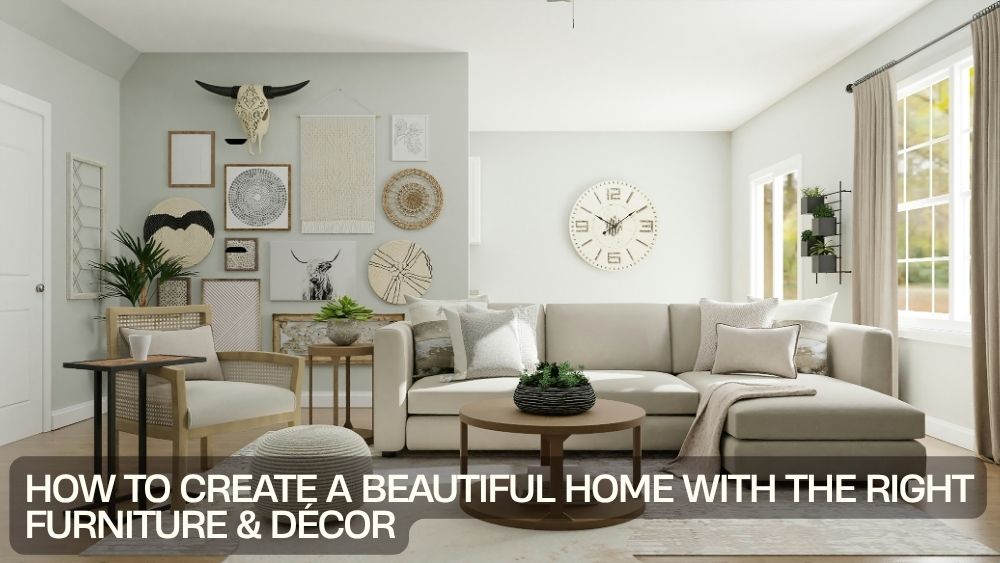
A beautiful home does not happen because every room contains expensive furniture or follows the latest design trend. It happens when the pieces you choose work together.
The right sofa can anchor a living room. A well-designed nightstand can make a bedroom feel more organized. A stylish vanity can turn an unused corner into a useful beauty station. Even small details can change how a room looks, feels, and functions.
That is the real power of thoughtful furniture and home decor ideas. You are not simply filling empty spaces. You are creating rooms that support everyday life while reflecting your personal taste.
Whether you are furnishing a new home or refreshing a familiar space, the right approach can make furniture shopping much easier. Let’s explore how to create a home that feels stylish, comfortable, practical, and distinctly yours.
Start with How You Want Your Home to Feel
Before buying anything, think about the atmosphere you want.
Do you want your living room to feel warm and relaxed? Should your bedroom feel calm and uncluttered? Do you want your dining area to feel elegant and welcoming?
These questions help you establish a design direction.
Instead of buying individual pieces because they look attractive on their own, consider how each item will contribute to the bigger picture. This simple shift can prevent mismatched furniture and unnecessary purchases.
For example, a room built around warm wood tones can benefit from furniture with similar finishes. A contemporary space may look better with clean silhouettes, simple hardware, and neutral colors.
Good design begins with a plan.
Choose Furniture That Balances Style and Function
The most attractive furniture is not always the most useful. Likewise, highly practical furniture does not need to look boring.
The sweet spot sits somewhere in the middle.
When shopping for stylish furniture for every room, consider what you actually need the piece to do.
A sofa should provide comfortable seating while fitting the room's proportions. A nightstand should offer enough surface space and storage without crowding the bed. A vanity should give you room to get ready while keeping beauty essentials organized.
This balance creates functional home decor that looks intentional rather than purely utilitarian.
Build Your Living Room Around a Strong Foundation
The living room usually acts as the social heart of the home, so furniture choices here have a major visual impact.
Start with the largest pieces first.
A comfortable sofa can establish the room's scale and style. From there, add tables, storage furniture, lighting, rugs, and decorative accessories.
For a simple and versatile look, consider this Giantex sofa couch as an example of seating that can work in a relaxed living or reception space.

Once your main seating is established, avoid filling every available corner.
Negative space matters. It allows the furniture to breathe and makes the room feel more open.
Use Color to Connect Different Rooms
You do not need to use exactly the same colors throughout your home.
Instead, create subtle connections.
Maybe warm brown appears in the living room furniture and returns in the bedroom. Perhaps black hardware appears on your dining furniture and again on bedside tables.
These repeated details create visual continuity.
For modern interior design ideas, neutral foundations are particularly versatile. White, beige, grey, natural wood, and black can provide a flexible backdrop for colorful artwork, cushions, plants, and accessories.
The result feels coordinated without looking like a showroom.
Make the Bedroom Comfortable and Organized
A bedroom should feel restful, but it also needs to handle plenty of everyday clutter.
That makes storage especially important.
Nightstands are small pieces, yet they can have a surprisingly large impact on bedroom organization. Choose designs with drawers, shelves, or both if you need space for books, chargers, glasses, personal items, and other essentials.
A pair of matching nightstands can create symmetry around the bed.
For a clean contemporary look, consider these modern nightstands with drawers. Their combination of storage and decorative hardware can add both function and personality.

Choose a Bed That Defines the Room
The bed is usually the largest piece of bedroom furniture, so it naturally becomes the room's visual anchor.
Consider the headboard style, fabric, color, storage features, and overall dimensions before making a decision.
A bed with built-in storage can help maximize limited space. A padded headboard can create a softer appearance. A minimalist platform design can keep the room looking streamlined.
For example, this upholstered platform bed with storage headboard combines several useful bedroom features in one design.

Think beyond appearance. The best bedroom furniture should make daily routines easier.
Turn a Corner into a Useful Vanity Space
A vanity can add a touch of luxury while providing a dedicated place for getting ready.
If your bedroom has an unused corner, a compact vanity can transform it into a functional beauty station.
Look for features such as drawers, compartments, mirrors, lighting, charging ports, and comfortable seating.
A well-designed setup can keep cosmetics, jewelry, brushes, and accessories organized instead of scattered across a dresser.
This vanity desk with LED mirror and jewelry storage is a useful example of how one furniture piece can combine several everyday functions.

That is where home decor essentials become more than decoration. They actively improve the way you use your space.
Do Not Ignore Small Furniture
Large furniture gets most of the attention, but smaller pieces often complete a room.
Nightstands, side tables, stools, accent tables, storage cabinets, and compact consoles can fill practical gaps without overwhelming the layout.
Small furniture also gives you more flexibility.
You can move a side table, reposition a nightstand, or change a small accent piece when you want to refresh the room.
For smaller homes, these pieces can be especially valuable because they offer functionality without demanding much floor space.
Consider Proportion Before Style
A gorgeous piece of furniture can still look wrong if it is the wrong size.
Before buying, measure your available space.
Record the room dimensions, doorway width, hallway clearance, and the location of windows and doors. Then compare those measurements with the furniture's dimensions.
Pay attention to height as well as width.
A large sofa in a compact room can make the space feel crowded. A tiny table in a large room can disappear visually.
Good furniture shopping tips often come down to one simple rule: measure twice, buy once.
Your future self will appreciate this tremendously.
Create a Cohesive Dining Space
Dining furniture should encourage people to sit, eat, talk, and stay a little longer.
Choose a table that fits comfortably within the room and leaves enough space for chairs to move freely.
Then consider the materials.
Natural wood can create warmth. Glass can make a small dining area feel visually lighter. Metal accents can add a contemporary edge.
For dining room furniture ideas, start with the table and chairs before adding decorative elements.
Once the essential furniture is in place, introduce lighting, artwork, runners, centerpieces, and other accents.
This creates a layered look without turning the table into an obstacle course of decorative objects.
Mix Textures to Add Personality
A room can have excellent furniture and still feel flat.
Texture solves that problem.
Combine smooth surfaces with woven fabrics, soft upholstery, natural wood, metal, glass, or textured decorative pieces.
For example, a soft upholstered bed can work beautifully with a wood nightstand. A smooth console can sit beneath a textured wall hanging. A leather or fabric sofa can be balanced with a wooden side table.
This approach makes stylish interior ideas feel richer without relying on excessive color.
Use Matching Pieces Strategically
Matching furniture can create instant visual order.
A pair of identical nightstands on either side of a bed is the classic example.
You can also use matching chairs, lamps, baskets, or storage pieces.
But avoid making every item identical.
A room needs variation to feel natural.
Try combining related finishes rather than exact duplicates. Similar wood tones, matching hardware, or complementary colors can create harmony while keeping the room visually interesting.
For another bedroom option, these Vasagle slim nightstands with drawers and open storage can provide a coordinated bedside setup while maintaining a lighter footprint.

Make Small Spaces Work Harder
Small rooms require strategic furniture choices.
Look for pieces that provide multiple functions.
A bed with storage can reduce the need for additional cabinets. A nightstand with shelves can replace a separate storage unit. A vanity with drawers can combine workspace and organization.
This is where practical home decor products earn their keep.
Vertical furniture can also help. Tall cabinets, shelving units, and narrow storage pieces use wall height instead of consuming valuable floor area.
Keep walkways clear and avoid oversized furniture.
The goal is not to squeeze more things into the room. It is to make every piece earn its place.
Add Personality Through Décor
Once your main furniture is selected, it is time for the fun part.
Add artwork, mirrors, plants, cushions, throws, rugs, lamps, decorative objects, and other accessories that reflect your personality.
Décor should support the furniture rather than compete with it.
If your furniture has bold shapes, choose simpler accessories. If your furniture is understated, you can use artwork or decorative objects to create stronger visual interest.
This balance keeps cozy home decor from becoming cluttered.
Think About Everyday Organization
A beautiful room loses some of its charm when everyday items have nowhere to go.
Good furniture can solve this problem.
Use drawers for smaller objects, shelves for books and decorative pieces, cabinets for items you want hidden, and open storage for things you use frequently.
Organization should feel effortless.
If putting something away requires opening three doors and moving two boxes, it probably will not happen consistently.
Smart furniture placement makes organization part of the room rather than an extra chore.
Refresh Your Home Without Replacing Everything
You do not need to redesign your entire home to create a fresh look.
Start with one room or even one corner.
Replace an outdated nightstand. Add a new vanity. Change the sofa accessories. Introduce a new side table. Rearrange furniture to improve the flow.
Small updates can have a surprisingly large visual effect.
You can also refresh a room by changing soft furnishings and accessories while keeping your major furniture pieces.
This approach makes home styling ideas more affordable and flexible.
Shop with a Whole-Home Perspective
When choosing furniture, think about how each new piece will interact with what you already own.
Before making a purchase, ask:
- Does the size fit the room?
- Does the style complement my existing furniture?
- Does the piece solve a real need?
- Does the color work with my current palette?
- Will I still like the design in a few years?
- Does it provide enough storage or functionality?
- Can I move around the room comfortably after adding it?
These questions can prevent impulse purchases and help you build a more cohesive interior.
For a broader starting point, explore the TotalFindz furniture collection to discover furniture options for different rooms and decorating styles.
Create a Home That Feels Like You
The best home is not necessarily the one with the most furniture.
It is the one where every important piece has a purpose.
A comfortable sofa invites conversation. A practical nightstand keeps essentials within reach. A thoughtfully designed vanity creates a dedicated getting-ready space. A well-chosen bed makes the bedroom feel complete.
Even smaller details can contribute to the overall atmosphere.
The key is to combine comfort, function, proportion, and personality.
Choose furniture that supports the way you live. Use décor to add character. Keep storage practical. Give your rooms enough breathing space.
Most importantly, do not chase trends so aggressively that your home stops feeling like your own.
Your interior should tell a story, and you should be the one holding the pen.
Final Thoughts
Creating a beautiful home starts with choosing furniture that works for both your lifestyle and your aesthetic.
Focus on quality foundations first. Then layer in storage, lighting, texture, color, and decorative details.
Whether you are furnishing a living room, refreshing a bedroom, creating a dedicated vanity area, or updating your entire home, thoughtful choices can turn ordinary rooms into spaces that feel comfortable and complete.
The goal is simple: make your home look good, work well, and feel unmistakably yours.