Lighting can completely change the personality of a room. The right bulb does more than brighten a space. It can soften a dining area, add warmth to a bedroom, create atmosphere in a living room, or bring character to a modern interior.
That is where vintage bulbs come into play.
With their warm glow, exposed-filament appearance, and nostalgic designs, vintage-style bulbs can make ordinary fixtures feel far more intentional. They work beautifully with industrial interiors, rustic spaces, classic homes, and even sleek modern rooms that need a little visual warmth.
But with different shapes, bases, wattages, finishes, and lighting tones available, choosing the right bulb can feel surprisingly complicated.
This guide will help you understand what to look for when choosing vintage light bulbs for home decor, so you can create a lighting scheme that looks good and works well.
Why Choose Vintage Bulbs?
Vintage bulbs bring decorative character to lighting.
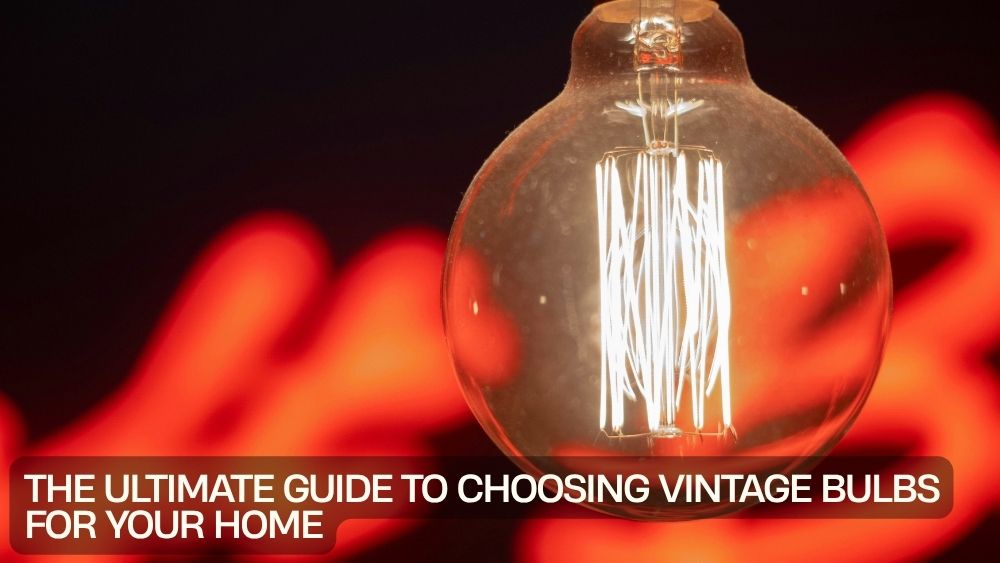
Traditional bulbs often disappear inside a lampshade or fixture. Vintage-style bulbs can become part of the design themselves. Their distinctive shapes and visible filament details turn a simple light fixture into a decorative feature.
They are especially effective in open fixtures where the bulb remains visible.
Think pendant lights above a dining table, exposed sockets beside a bed, wall sconces in a hallway, or table lamps with open shades. In these situations, the bulb becomes part of the overall visual composition.
The warm illumination also helps create a relaxed atmosphere.
For a broad selection of options, explore the vintage bulbs collection and compare different shapes and styles for your home.
Understand the Bulb Base First
Before getting distracted by beautiful bulb shapes, check the socket.
The base needs to match your light fixture.
An E26 base is commonly used in many fixtures, while E14 bases are smaller and often appear in decorative lamps and compact fixtures.
This is one of the easiest details to overlook.
You can find a bulb with the perfect shape and color temperature, but if the base does not fit the fixture, it will not do you much good.
Always check the fixture specifications before buying.
Choose the Right Bulb Shape
Vintage bulbs come in several distinctive shapes. The shape you choose can influence the personality of the entire fixture.
A60 Bulbs
A60 bulbs have a familiar rounded shape that works well in many everyday fixtures.
They can provide a classic appearance while still fitting comfortably into modern lighting designs.
For a versatile option, consider an A60 E26 vintage Edison LED bulb.

This type of bulb can work particularly well when you want vintage character without an overly dramatic silhouette.
ST64 Bulbs
ST64 bulbs have a longer, elongated shape that is strongly associated with Edison-inspired lighting.
Their distinctive profile looks excellent in pendant fixtures and exposed-bulb arrangements.
An ST64 E26 warm-white vintage Edison bulb can add a classic decorative touch to a room.

ST64 bulbs are particularly appealing when you want the bulb itself to attract attention.
C35 Bulbs
C35 bulbs have a narrower candle-style profile.
They can be useful for smaller decorative fixtures, wall sconces, chandeliers, and lamps where a more delicate shape works better.
A C35 E14 vintage bulb can bring an elegant vintage detail to compact lighting arrangements.

Consider G95 Bulbs for a Bigger Statement
If you want the bulb to make a noticeable visual impact, consider a larger globe-style design.
G95 bulbs have a rounded globe shape that can look fantastic in open pendant lights and decorative fixtures.
Their larger profile gives them a strong presence, making them useful for statement lighting.
An E26 G95 vintage retro industrial filament bulb can work especially well when the bulb is intentionally displayed rather than hidden behind a shade.

Think About the Color Temperature
Shape gets plenty of attention, but the light itself matters just as much.
Vintage lighting generally works best when it creates a warm, inviting atmosphere.
Warm-white light can make living spaces feel comfortable and relaxed. It can be particularly effective for bedrooms, dining rooms, reading corners, and evening lighting.
If you are trying to create cozy home lighting, a warmer tone is usually a strong choice.
Cooler lighting can feel more energetic and functional, but it may not deliver the nostalgic atmosphere people typically want from vintage bulbs.
Before buying, check the product's stated color temperature and decide how you want the room to feel.
Vintage Bulbs for the Living Room
The living room is one of the easiest places to experiment with vintage lighting.
You can use vintage bulbs in floor lamps, table lamps, pendant lights, wall fixtures, or exposed-bulb installations.
For a modern living room, combine vintage bulbs with clean furniture and simple fixtures. The contrast creates visual interest without making the room feel old-fashioned.
For a rustic or industrial space, vintage bulbs can reinforce the existing design language.
The secret is balance.
You do not need every light in the room to look vintage. Sometimes one or two statement bulbs are enough.
Vintage Bulbs for the Bedroom
Bedrooms benefit from lighting that feels calm and comfortable.
Warm vintage bulbs can add a softer visual atmosphere around bedside tables, wall sconces, or decorative hanging fixtures.
A bulb with a smaller C35 shape can work well beside the bed, particularly in compact fixtures.
For exposed pendant lighting, an ST64 bulb can provide a more noticeable decorative element.
If you are designing vintage bulbs for the bedroom, think about how the light interacts with your bedding, wall colors, furniture, and other decorative elements.
The bulb should complement the room rather than compete with it.
Vintage Bulbs for the Dining Room
Dining rooms are perfect for statement lighting.
A row of exposed vintage bulbs above a dining table can create a warm focal point while giving the room a distinctly decorative identity.
Longer bulb shapes such as ST64 can work well with pendant fixtures, while globe-style bulbs can create a bolder appearance.
A warm glow can also make evening meals feel more inviting.
If your dining fixture contains multiple sockets, consider using matching bulbs for a cohesive look.
Mix Vintage Bulbs With Modern Interiors
Vintage lighting does not require a traditional home.
In fact, the contrast between vintage bulbs and contemporary furniture can be extremely effective.
Imagine a minimalist room with clean lines, neutral colors, and modern furniture. Add an exposed filament bulb and suddenly the space gains texture and warmth.
This is why vintage bulbs for modern interiors have become such a useful design choice.
The trick is to avoid making the room feel visually crowded. Let the vintage bulb provide the character while the rest of the room maintains its modern simplicity.
Match Bulbs With Your Fixture
Your fixture and bulb should work as a team.
An oversized globe bulb may look fantastic in an open pendant but awkward inside a small lamp.
Likewise, a compact candle-style bulb may disappear inside a large fixture.
Look at the proportions.
If the fixture has a large open frame, you can often use a more dramatic bulb shape. If the fixture is small and detailed, a smaller bulb may create a more balanced result.
Think of the bulb as part of the fixture's design rather than an afterthought.
Consider Dimmable Vintage Bulbs
Dimming can make vintage lighting much more versatile.
A dimmable bulb allows you to adjust brightness depending on the moment.
You might want stronger lighting while reading or cleaning, then lower the brightness when relaxing in the evening.
Some vintage-style filament bulbs are available with dimming functionality. For example, the E26 ST64 vintage retro industrial filament bulb is designed as a dimmable decorative option.

Always make sure the bulb and dimmer are compatible before installation.
LED Vintage Bulbs Offer a Modern Option
Vintage appearance does not necessarily mean old-fashioned technology.
LED vintage bulbs combine decorative designs with LED lighting technology.
They can provide the classic appearance associated with Edison-style lighting while fitting into contemporary homes.
An ST64 E26 LED Edison bulb is one example of this approach.

This can be a useful option when you want stylish vintage lighting without abandoning modern lighting solutions.
Think About Brightness
Do not choose a bulb based on appearance alone.
Consider how much light the room actually needs.
Decorative bulbs can be excellent for ambient lighting, but one decorative bulb may not provide enough illumination for activities that require strong visibility.
A dining room, for example, may need a combination of decorative pendant lighting and additional ambient or task lighting.
Similarly, a bedroom can use vintage bulbs for atmosphere while relying on another fixture for reading.
Layering your lighting gives you more control.
Use Vintage Bulbs as Decorative Features
One of the best ways to use vintage bulbs is to let them become part of the decor.
Instead of hiding them behind opaque shades, consider fixtures that expose the bulb.
Pendant lights, open-frame chandeliers, industrial sconces, and minimalist lamps can all showcase distinctive bulb shapes.
This turns decorative vintage light bulbs into visual accessories as well as functional lighting.
The result can feel intentional, especially when the bulb shape echoes other design elements in the room.
Create a Consistent Lighting Style
If you use multiple vintage bulbs in the same room, consistency can help.
Matching bulb shapes can create a polished appearance.
You can also mix shapes intentionally, but keep another element consistent, such as the color temperature, finish, or fixture style.
For example, several warm-white bulbs with similar glass finishes can create a cohesive lighting scheme even when their shapes differ.
This approach works particularly well in dining rooms, kitchens, and open-plan spaces.
Vintage Lighting Ideas for Different Rooms
You can use vintage bulbs throughout the home without making every room look identical.
Living room: Use exposed bulbs in floor lamps or pendant fixtures for warm ambient lighting.
Bedroom: Pair warm vintage bulbs with bedside lamps or wall sconces for a relaxed atmosphere.
Dining room: Use multiple Edison-style bulbs above the dining table to create a visual centerpiece.
Kitchen: Add vintage bulbs to pendant fixtures above an island or breakfast bar.
Entryway: Use a decorative bulb in a statement fixture to establish the home's style immediately.
Home office: Combine decorative vintage lighting with stronger task lighting so the room remains practical.
Avoid Choosing Based Only on Appearance
A beautiful bulb can still be the wrong choice.
Before buying, check:
- Base type
- Bulb dimensions
- Wattage
- Brightness
- Color temperature
- Dimming compatibility
- Fixture compatibility
- Intended indoor or outdoor use
These details help ensure your chosen bulb looks good and performs properly.
The best vintage lighting buying guide is ultimately one that balances aesthetics with practical requirements.
Final Thoughts
Choosing the right vintage bulb is a small design decision that can have a surprisingly large effect on your home.
Start with the fixture. Check the socket and dimensions. Then choose the bulb shape, brightness, color temperature, and style that match your space.
A60 bulbs offer familiar versatility. ST64 bulbs bring an unmistakable Edison-inspired silhouette. C35 bulbs provide a more delicate decorative profile, while G95 globe bulbs can become statement pieces.
From vintage bulbs for living rooms to vintage bulbs for dining rooms and bedrooms, the possibilities are broad.
Most importantly, do not be afraid to mix eras. A vintage bulb can add warmth to a contemporary room, bring character to a minimalist fixture, or complete a rustic interior.
Good lighting should do more than illuminate a room. It should shape the mood, highlight the details, and make the space feel like yours.
Choose thoughtfully, let the bulb become part of the design, and your lighting can glow with plenty of personality.