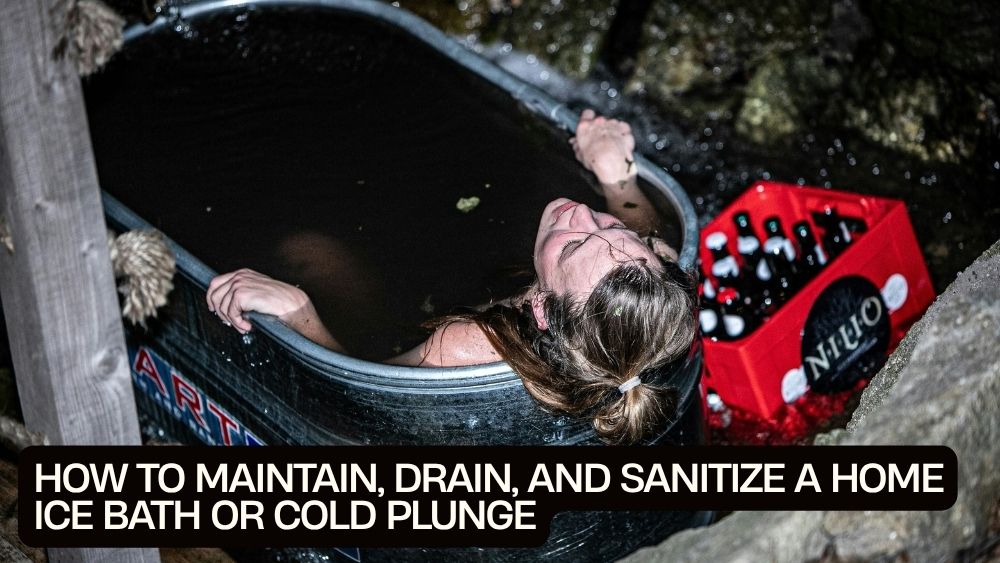
A home cold plunge can be wonderfully simple: cold water, a tub, and a few minutes of discomfort that somehow feels very satisfying afterward.
Keeping that water clean, however, takes a little more work.
A cold plunge is still a body-contact water system. Sweat, skin oils, hair, dirt, cosmetics, and other contaminants can enter the water every time someone gets in. Cold temperatures may slow some microbial activity, but cold water should not be treated as automatically sanitary.
The good news is that maintaining a home cold plunge doesn't have to become a weekend-long chemistry project.
With a consistent routine for filtration, water testing, draining, cleaning, and sanitizing, you can keep the tub cleaner and make water changes more predictable.
This guide explains how to clean a home cold plunge tub, when to drain it, how to sanitize the surfaces, and what to know if your plunge uses a water chiller or filtration system.
How Often Should You Clean a Cold Plunge?
There isn't one universal cleaning schedule for every home cold plunge.
The ideal frequency depends on:
- How often the tub is used
- Number of users
- Whether users shower before entering
- Water volume
- Filtration system
- Sanitizer system
- Whether the tub is covered
- Outdoor vs. indoor placement
- Water temperature
- Water-quality test results
A useful routine is to divide maintenance into three levels:
Every use: Remove obvious debris and keep the tub covered.
Regularly: Check water quality, inspect the filter, and clean areas that collect residue.
Periodically: Drain the water, clean the entire tub, clean or replace filtration components as appropriate, and refill.
If the water becomes cloudy, develops an unusual odor, or the surfaces become slimy, don't wait for the next scheduled maintenance day.
That's your tub sending a rather unsubtle memo.
Step 1: Shower Before Using the Cold Plunge
One of the easiest ways to keep plunge water cleaner is also one of the most frequently skipped.
Shower before getting in.
A quick rinse removes sweat, lotions, sunscreen, dirt, deodorant, and loose skin before those substances enter the tub.
This matters even more when multiple people use the same plunge.
If you're using an outdoor cold plunge, consider rinsing feet before entering as well. Grass, soil, leaves, and other debris can quickly turn a clean tub into a tiny backyard ecosystem.
Avoid entering the plunge immediately after applying heavy lotions or oils.
The cleaner the bather, the less work your filtration and sanitation system has to do.
Step 2: Keep the Cold Plunge Covered
A cover is one of the simplest maintenance tools you can use.
When the plunge isn't being used, covering it helps reduce:
- Dust
- Leaves
- Insects
- Pollen
- Dirt
- Accidental debris
- Evaporation
A properly fitted cover can also help protect the water from environmental contamination.
If your plunge sits outside, this becomes especially useful during windy weather or periods of heavy pollen.
Before putting the cover back on, make sure the cover itself is reasonably clean. Otherwise, you're simply transferring dirt from the cover into the water.
Step 3: Remove Floating Debris
Even a covered tub can collect debris.
Keep a small fine-mesh net nearby and remove visible material such as:
- Leaves
- Hair
- Insects
- Grass
- Dirt particles
This takes less than a minute and prevents larger debris from reaching the filter or settling on the bottom.
Don't rely entirely on the filtration system to deal with everything.
Filters are designed to capture particles, but manually removing large debris reduces the overall load on the system.
Step 4: Check the Water Before Getting In
Clear water isn't necessarily clean water.
That's an important distinction.
Water can look perfectly clear while its chemical balance or sanitation level is inappropriate.
If you're using a sanitizer system, follow the equipment manufacturer's instructions for the specific product and water volume.
Depending on the system, you may need to monitor parameters such as:
- Sanitizer concentration
- pH
- Alkalinity
- Water clarity
- Odor
- Filter condition
Do not guess at chemical quantities.
Different sanitizers have different concentrations and operating requirements. Always follow the manufacturer's label and instructions.
Step 5: Clean the Cold Plunge Filter
If your cold plunge has a filtration system, the filter is one of the most important components to maintain.
A dirty filter can reduce water flow and make the filtration system less effective.
Check the filter according to the manufacturer's recommended schedule.
Depending on the filter type, maintenance may involve:
- Turning off the pump or filtration equipment.
- Removing the filter according to the manufacturer's instructions.
- Rinsing reusable filter media when permitted.
- Inspecting for damage or excessive buildup.
- Reinstalling it correctly.
- Replacing disposable or exhausted filters when required.
Don't use aggressive household cleaners on filter media unless the manufacturer specifically permits them.
A filter that looks clean isn't necessarily suitable for continued use if its media is damaged or clogged.
Step 6: Drain the Cold Plunge
Eventually, every home cold plunge needs fresh water.
How frequently you should drain it depends on your sanitation system, water testing, usage, and manufacturer guidance.
Drain sooner if:
- Water becomes persistently cloudy
- The water develops an unusual odor
- Surfaces feel slimy
- Chemical balance cannot be maintained
- There is visible contamination
- Multiple people have used the plunge heavily
- The manufacturer recommends a water change
Before draining, turn off and disconnect the equipment according to the manufacturer's instructions.
If your plunge includes a water chiller, pump, or filtration system, make sure you understand how the water lines should be handled before removing water.
Step 7: Clean the Empty Tub
Once the plunge is drained, it's time to clean the actual tub.
This step is often skipped because the water looks clean.
Don't make that mistake.
Residue can accumulate along:
- Waterline
- Bottom surface
- Corners
- Seams
- Drain area
- Fittings
- Cover contact points
Use a soft cloth or non-abrasive sponge with a cleaner that is compatible with the tub's material.
Avoid abrasive pads that could scratch the surface.
Also avoid randomly combining household cleaning products.
Never mix cleaning chemicals or disinfectants unless the product manufacturer explicitly states that they are compatible.
Rinse the tub thoroughly after cleaning if the cleaning product instructions call for rinsing.
The goal is a clean surface without leaving unwanted chemical residue behind.
Step 8: Pay Attention to the Waterline
The waterline deserves special attention.
As water evaporates, substances left behind by bathers can accumulate around the boundary between air and water.
You may notice:
- A faint ring
- Oily residue
- Dust accumulation
- Discoloration
- Slippery deposits
Wipe the waterline during routine maintenance rather than waiting until the next complete drain.
A quick wipe can prevent buildup from becoming stubborn.
Step 9: Sanitize the Tub After Cleaning
Cleaning and sanitizing are not the same thing.
Cleaning removes dirt and residue.
Sanitizing reduces microorganisms to a level considered acceptable for the intended use.
If you're using a chemical sanitizer, use a product specifically intended for the application and follow its label directions.
Pay attention to:
- Required concentration
- Contact time
- Water temperature limitations
- Required rinsing
- Compatibility with the tub material
- Compatibility with pumps and filtration equipment
Do not improvise chemical combinations.
If your cold plunge manufacturer provides a sanitation procedure, use that procedure as the primary reference.
What If You Use a Water Chiller?
A cold plunge connected to a water chiller requires additional attention because you're maintaining both the tub and the circulation system.
A chiller-compatible setup can provide convenient temperature control, but water quality still matters.
Your maintenance routine may include:
- Checking circulation
- Inspecting hoses
- Checking fittings for leaks
- Cleaning the filter
- Monitoring water quality
- Following the chiller manufacturer's cleaning instructions
- Checking for unusual pump noise
- Inspecting the water inlet and outlet
Never assume that a chiller itself keeps water sanitary.
Its job is temperature control unless the manufacturer specifically states that it provides another treatment function.
A Cold Plunge Product Designed for Chiller Compatibility
If you're building a home cold plunge system, a tub designed to work with a separate water chiller can give you more flexibility over temperature management.
For example, the 79-gallon water chiller-compatible cold plunge tub with cover from TotalFindz combines a larger water capacity with a cover and chiller-compatible design.

For any specific tub, always check the manufacturer's specifications for compatible equipment, connections, cleaning methods, and maintenance requirements before installation.
How to Clean Cold Plunge Hoses and Connections
Water doesn't only live inside the tub.
If your system uses external hoses or plumbing connections, inspect them during maintenance.
Look for:
- Algae-like buildup
- Slime
- Discoloration
- Cracks
- Loose connections
- Leaks
- Kinks
- Unusual odors
Follow the equipment manufacturer's instructions for cleaning the circulation system.
Don't pour random household chemicals into the plumbing system.
Some materials, seals, pumps, filters, and chillers may not tolerate certain cleaning chemicals.
When in doubt, use the manufacturer's approved procedure.
How Often Should You Change Cold Plunge Water?
The answer depends heavily on your setup.
A single-person plunge with good hygiene, effective filtration, appropriate sanitation, a cover, and regular testing can require a different water-change schedule from a tub used by several people every day.
Instead of relying on a calendar alone, consider these indicators:
Water quality: Is it staying within the manufacturer's recommended parameters?
Usage: How many people use the tub and how frequently?
Filtration: Is the filter working correctly?
Sanitation: Can the recommended sanitizer level be maintained?
Appearance: Is the water clear?
Surface condition: Are there deposits or slime?
Odor: Is there an unusual smell?
If water quality cannot be maintained, draining and starting fresh may be more appropriate than continually adding chemicals.
Common Cold Plunge Cleaning Mistakes
Mistake 1: Assuming cold water is automatically clean
Low temperature does not mean the water is sterile.
Mistake 2: Never showering before use
This dramatically increases the amount of organic material entering the water.
Mistake 3: Ignoring the filter
A neglected filter can reduce circulation and filtration performance.
Mistake 4: Cleaning only when the water looks dirty
Water chemistry and microbial contamination aren't always visible.
Mistake 5: Using household cleaners without checking compatibility
A cleaner that works perfectly on a kitchen counter may damage another material or leave residues.
Mistake 6: Mixing chemicals
This can create dangerous reactions.
Use only compatible products according to their labels and the manufacturer's instructions.
Mistake 7: Forgetting the cover
An uncovered outdoor plunge is essentially inviting leaves, pollen, insects, and dust to move in.
A Simple Weekly Cold Plunge Maintenance Routine
If you want a routine that's easy to remember, use this checklist.
Every use
- Shower before entering
- Remove visible debris
- Check for unusual water appearance
- Replace the cover
Weekly or according to equipment instructions
- Inspect the filter
- Check water-quality parameters
- Wipe the waterline
- Inspect hoses and connections
- Clean the cover
- Look for leaks or unusual buildup
During a scheduled water change
- Drain the tub safely
- Clean the entire interior
- Clean compatible components
- Inspect fittings and hoses
- Clean or replace the filter as required
- Sanitize according to manufacturer instructions
- Rinse if required
- Refill with fresh water
- Restore filtration and temperature-control equipment
The exact frequency should follow your equipment manufacturer's recommendations and your actual usage.
How to Keep a Cold Plunge Cleaner for Longer
The best maintenance strategy is prevention.
A few habits can dramatically reduce the amount of work involved:
Shower before every plunge.
Keep the tub covered.
Don't wear outdoor footwear near or inside the water.
Remove debris quickly.
Maintain the filter.
Test the water instead of relying on appearance.
Clean the waterline regularly.
Drain and deep-clean when water quality can't be maintained.
These small habits turn maintenance from a major chore into a predictable routine.
Cold Plunge Cleaning Checklist
Save this list near your tub:
-
Shower before use
-
Keep the cover clean
-
Remove floating debris
-
Check water clarity
-
Test water according to the sanitation system
-
Inspect the filter
-
Clean the waterline
-
Inspect hoses and fittings
-
Watch for leaks
-
Drain according to usage and manufacturer guidance
-
Clean the empty tub
-
Sanitize using an approved method
-
Rinse when required
-
Refill with fresh water
-
Restart filtration and chiller equipment correctly
-
Replace or clean the filter as needed
Final Thoughts
Learning how to clean a home cold plunge tub doesn't require complicated equipment or an elaborate maintenance ritual.
The winning formula is consistency.
Shower before entering. Keep the plunge covered. Remove debris. Monitor water quality. Maintain the filter. Clean the waterline. Drain and sanitize the tub when necessary.
And if your plunge connects to a chiller, remember that temperature control and sanitation are separate jobs. The chiller can manage temperature, but your water-care routine still matters.
For anyone setting up a home plunge, choose equipment that fits your available space, water volume, maintenance habits, and temperature-control needs. A chiller-compatible tub such as the 79-gallon cold plunge tub from TotalFindz can be part of a more controlled home setup, provided it is installed and maintained according to the manufacturer's instructions.
Clean water makes the whole experience better.
The cold is already doing enough work. Your maintenance routine doesn't need to be another endurance challenge.