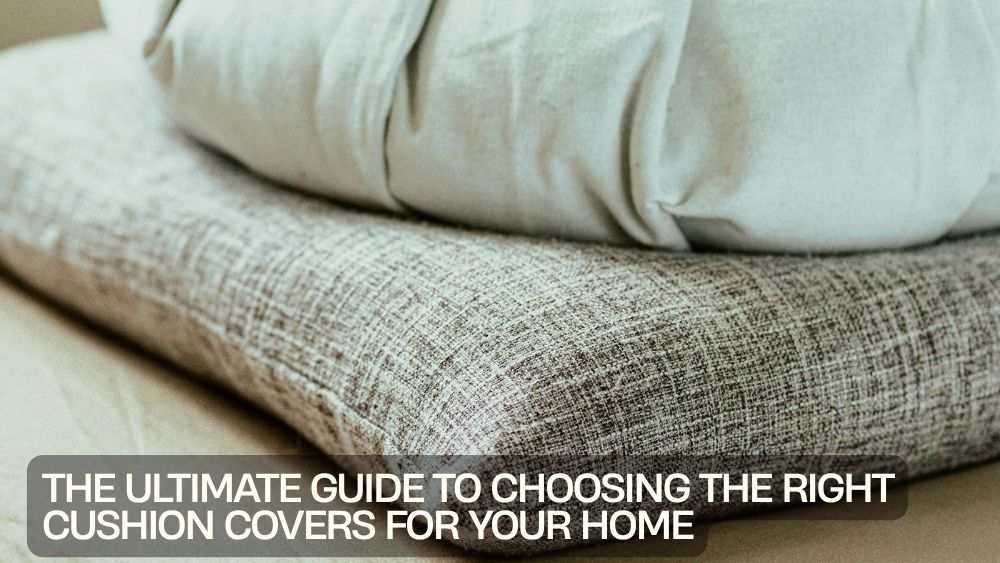
A room can have beautiful furniture, carefully chosen lighting, and thoughtful décor, yet still feel like it is missing something. Often, the answer is surprisingly simple: textiles.
Cushion covers can change the personality of a sofa, refresh a bedroom, add warmth to a reading corner, or bring a coordinated finish to an entire living space. They are small details, but they have plenty of design power.
The challenge is choosing the right ones.
With different fabrics, sizes, colors, patterns, textures, and styles available, selecting the best cushion covers for home can quickly become overwhelming. Should you choose soft cotton, elegant linen, plush velvet, or something easy to wash? Should the covers match your sofa exactly or create contrast?
This cushion cover buying guide will help you make those decisions with confidence.
Why Cushion Covers Matter
Cushions aren't just about comfort. They are also one of the easiest ways to update your interior without replacing major pieces of furniture.
A new set of covers can introduce color, texture, or pattern while keeping your existing cushions.
That makes them particularly useful when you want to refresh a room without committing to a complete makeover.
Think of your sofa or bed as the main canvas. Cushion covers are the finishing strokes that give the space its personality.
Start with Your Home's Style
Before choosing colors or fabrics, look at your existing décor.
Do you prefer clean modern interiors? Warm traditional rooms? Minimalist spaces? Rustic furniture? Eclectic décor?
Your choice of cushion covers for different home decor styles should complement the furniture and colors already present.
For modern homes, simple patterns, neutral shades, geometric designs, and understated textures can work beautifully.
Traditional interiors may benefit from richer colors, classic patterns, decorative details, and textured fabrics.
If your room already contains bold furniture or artwork, consider using simpler cushion covers to keep the overall look balanced.
Choose the Correct Size
Size is one of the most important details in a cushion cover.
A cover that's too small can make the cushion look cramped. A cover that's too large may leave the cushion looking loose and untidy.
Before purchasing, measure the cushion insert from seam to seam.
Pay attention to:
- Cushion width
- Cushion height
- Cushion shape
- Cover closure
- Insert thickness
A properly sized cover creates a fuller, more polished appearance.
If you're refreshing several cushions, measure each one rather than assuming they are identical.
Consider the Fabric
The fabric can completely change how a cushion looks and feels.
Your cushion cover fabric guide should begin with the room and the way you use it.
Cotton can provide a comfortable, versatile option for everyday spaces. Linen can create a relaxed and naturally textured appearance. Velvet can introduce a richer, more luxurious feeling.
For busy homes, practicality may be more important than appearance alone. Look for fabrics that are durable and easy to maintain.
For decorative cushions that don't receive heavy use, you can prioritize texture and visual impact.
The best fabric is the one that fits both your lifestyle and your design goals.
Cushion Covers for the Living Room
The living room is where cushion covers can really shine.
Cushion covers for the living room should work with your sofa, chairs, rugs, curtains, and other decorative elements.
You don't have to make everything match perfectly.
Instead, create relationships between colors and textures.
For example, a neutral sofa can handle stronger accent cushions. A colorful sofa may look better with understated covers.
You can also combine different textures while keeping the color palette consistent.
The result feels coordinated without becoming overly predictable.
Style Your Sofa with Layers
A sofa becomes more inviting when you use different cushion sizes and textures.
Start with larger cushions toward the back. Add medium-sized cushions in front and finish with a smaller accent cushion if the space allows.
This creates depth.
You can also mix patterns carefully.
Try pairing one bold pattern with quieter textures and solid colors. If every cushion has a competing print, the arrangement can become visually noisy.
The secret is variety with a common thread.
That thread might be color, fabric, pattern, or overall style.
Cushion Covers for the Bedroom
Bedrooms call for a softer approach.
Cushion covers for the bedroom can help create a calm, comfortable atmosphere while adding decorative interest to the bed.
Neutral tones, subtle patterns, soft textures, and understated colors can create a relaxed appearance.
You can also coordinate cushion covers with your bedding without making everything identical.
For example, choose a cushion that picks up one color from the duvet or bedspread.
This creates a subtle connection between the different elements in the room.
Create a Cozy Living Space
Texture plays a major role in making a room feel comfortable.
Soft fabrics can make seating areas feel more inviting. Layered textures can also prevent neutral interiors from looking flat.
If your furniture has smooth surfaces, consider adding tactile cushion covers.
A combination of smooth, woven, quilted, or plush textures can create visual depth.
This is especially useful when working with neutral color palettes.
You don't always need brighter colors to make a room interesting. Sometimes texture does all the heavy lifting.
Think About Color
Color is one of the fastest ways to transform a space.
When selecting home decor cushion covers, consider your existing color palette first.
You can use three basic approaches:
Match:
Choose covers in similar colors to your furniture for a calm, coordinated look.
Contrast:
Use complementary or noticeably different colors to create visual energy.
Accent:
Choose one or two standout colors and repeat them through the room.
If you're uncertain, start with a neutral base and introduce one accent shade.
This gives you flexibility when changing other décor later.
Mix Patterns Without Losing Control
Patterns can bring personality to cushions, but too many competing designs can overwhelm a room.
A simple strategy is to combine different pattern scales.
For example, pair a larger pattern with a smaller geometric design and a solid color.
You can also keep the colors related.
This allows the patterns to feel connected rather than randomly assembled.
For minimalist interiors, one patterned cushion can be enough to create interest.
For more expressive spaces, you can experiment with several patterns while maintaining a consistent palette.
Choose Covers for Everyday Use
If your cushions are used constantly, practicality matters.
Washable cushion covers for everyday use can make maintenance much easier, particularly in busy living rooms.
Look for covers that are easy to remove and clean according to their care instructions.
Consider how frequently the cushions are handled and whether the room is used by children or pets.
A beautiful cover that requires complicated maintenance may not be the most practical choice for a high-traffic space.
Good design should work with real life, not fight it.
Think About Comfort
Decorative cushions still need to feel comfortable.
If people regularly use them for lounging, reading, watching television, or relaxing, consider the texture and softness of the fabric.
Your broader bedding and pillow setup can also influence how your cushions feel and look.
For example, a Highland Feather white duck down pillow can complement a comfortable bedroom environment,

while a PureCare Cooling SoftCell® Chill Pillow offers another pillow option for a comfort-focused setup.

A cushion cover should enhance the experience rather than simply decorate it.
Refresh Your Bedroom with Coordinated Details
Bedroom styling becomes more interesting when you coordinate several small elements.
You might pair your cushion covers with bedding, pillowcases, throws, or other accessories.
A Refined Collection sateen pillowcase set can provide a polished foundation for a more refined bedroom arrangement.

The key is coordination rather than perfect matching.
Repeat a color or texture in several places and let the rest of the room breathe.
Use Cushions to Define Different Zones
Cushions can also help distinguish different areas within an open-plan home.
A reading corner might use soft, warm textures. A formal sitting area could feature more structured patterns. A bedroom might use calming neutral tones.
This creates subtle visual boundaries without adding walls or bulky furniture.
Cushion covers are therefore useful not only as decorative accessories but also as tools for shaping the atmosphere of different spaces.
Consider Function Before Decoration
It is easy to fall in love with a beautiful pattern and forget about practicality.
Before purchasing, ask:
- Where will I use it?
- How often will it be handled?
- Does the fabric suit the room?
- Is the size correct?
- Is the cover easy to maintain?
- Does the color work with my existing décor?
- Do I want comfort, decoration, or both?
These simple questions can prevent impulse purchases that don't fit your space.
Small Spaces Can Benefit Too
You don't need a huge living room to make an impact with cushions.
In smaller homes, cushion covers for cozy living spaces can introduce color and personality without consuming additional floor space.
Use a limited color palette to avoid making the room feel crowded.
Lighter colors and subtle patterns can maintain an airy appearance, while one stronger accent cushion can provide a focal point.
For compact bedrooms or seating areas, a few carefully selected cushions can deliver plenty of style without overwhelming the room.
Change Your Covers with the Seasons
One of the biggest advantages of cushion covers is flexibility.
You can change them throughout the year.
Lighter fabrics and brighter colors can create a fresh feeling during warmer months. Deeper tones and richer textures can make a room feel cozier during cooler seasons.
You don't need to buy entirely new cushions every time. Simply changing the covers can give familiar furniture a completely different appearance.
It's a small seasonal refresh with a surprisingly large visual payoff.
Think About Quality
Good-looking design is important, but construction matters too.
Check stitching, fabric quality, closure design, and overall finish.
If you plan to use the covers regularly, durability becomes particularly important.
A well-made cover can maintain its appearance through repeated use when cared for correctly.
Quality also affects how the cushion looks once the insert is inside. A properly constructed cover can create a cleaner, fuller shape.
Build a Cohesive Cushion Collection
Rather than buying individual covers randomly, create a small collection.
Choose a base color, an accent color, and one or two textures or patterns.
For example:
- Neutral base
- One accent shade
- One subtle pattern
- One textured cover
This formula provides variety without chaos.
You can then rearrange the cushions whenever you want to change the look of your sofa or bed.
Final Thoughts
Choosing the right cushion covers is about more than picking a pretty pattern.
You need to consider size, fabric, color, comfort, maintenance, room style, and everyday use. The right combination can refresh furniture, create a cozy atmosphere, and bring an entire room together.
Whether you're styling a sofa, updating a bedroom, or adding character to a quiet reading corner, thoughtfully selected cushion covers can make a meaningful difference.
Explore the TotalFindz cushion cover collection and consider how different textures, colors, and designs could transform your space.
Start with the room you already have, identify what it needs, and let the smaller details do their work. Sometimes, the easiest interior refresh is hiding in plain sight, waiting for a new cover.