Growing plants at home can be incredibly rewarding, but successful gardening often starts long before a seed becomes a healthy plant.
The right environment can make a major difference.
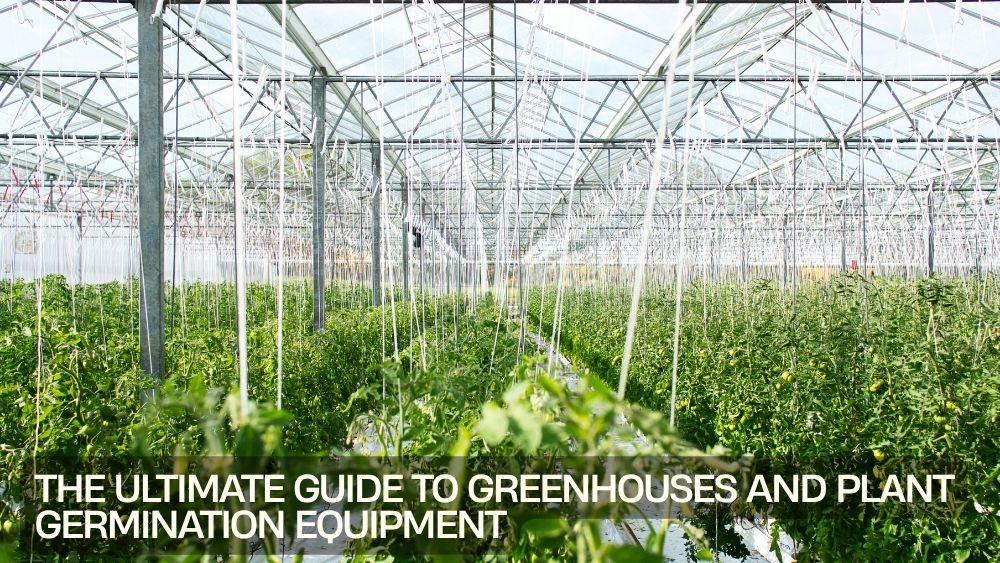
Temperature, moisture, sunlight, airflow, growing space, and protection from changing weather all influence how plants develop. That is where a greenhouse can become a valuable part of your gardening setup.
When you combine a suitable greenhouse with the right plant germination equipment, seed starting becomes more organized and manageable.
Whether you're completely new to greenhouse gardening or looking to improve an existing setup, understanding the basics can help you make smarter choices.
Why Greenhouses Matter for Home Gardening
A greenhouse creates a more controlled growing environment than an exposed garden bed.
Instead of leaving young plants completely at the mercy of changing outdoor conditions, you can provide them with a more protected space.
A greenhouse can help you organize plants, extend your growing activities, and protect delicate seedlings from certain outdoor conditions.
For beginners, this controlled environment can make gardening feel much easier to manage.
Explore the TotalFindz greenhouse collection to find different options for home growing and outdoor gardening projects.
Choose the Right Greenhouse for Your Space
Before buying a greenhouse, start with your available space.
Measure the area where you plan to install it. Then consider its height, width, length, door position, and surrounding clearance.
A greenhouse should not feel squeezed into a corner.
You need enough space to enter comfortably, move plants around, water them, and perform basic maintenance.
For smaller gardens, a compact greenhouse can provide useful growing space without taking over the entire yard.
The 6 x 4 ft aluminum lean-to greenhouse with polycarbonate panels offers a compact format that can work well when garden space is limited.

Consider a Mini Greenhouse for Small Growing Projects
You do not need a huge structure to begin growing plants.
A mini greenhouse can be useful for gardeners who want to start seeds, protect young plants, or experiment with a smaller collection.
The portable mini greenhouse with screen roof and roll-up zipper door provides a compact growing space with a portable design.

Mini greenhouses can also make sense for patios, balconies, smaller yards, and gardeners who are just beginning.
The important thing is to match the greenhouse to your actual growing goals.
Think About What You Want to Grow
Your plant selection should influence your greenhouse choice.
Some gardeners focus on vegetables.
Others want flowers, herbs, seedlings, or ornamental plants.
If you mainly want to start seeds, you may not need the same amount of space as someone growing mature plants throughout the season.
Make a rough list of what you want to grow before shopping.
Then estimate how many containers, trays, or beds you will need.
This prevents the classic gardening problem of buying a greenhouse and immediately discovering that your plant collection has ambitions of its own.
Create a Controlled Growing Environment
A controlled growing environment gives you greater ability to manage the conditions surrounding young plants.
Pay attention to:
- Temperature
- Moisture
- Light
- Air circulation
- Ventilation
- Growing medium
- Water availability
You do not necessarily need complicated technology.
Good greenhouse design combined with consistent gardening habits can already make a significant difference.
Start Seeds in a Protected Environment
Seed starting is one of the most useful reasons to create a greenhouse setup.
Seeds require suitable moisture, temperature, and growing conditions to germinate successfully.
A greenhouse provides a dedicated area where you can organize your seed-starting process.
Instead of scattering trays around your home, you can create a focused indoor seed starting setup or protected outdoor growing area.
Label your seed trays so you know what you planted and when.
Keep notes about planting dates and germination progress.
A little organization goes a long way.
Understand the Basics of Seed Germination
Successful seed germination begins with understanding what each plant requires.
Different seeds have different preferences.
Some germinate quickly.
Others require more patience.
Some need light exposure, while others perform better when covered with growing medium.
Read the seed packet or growing instructions before planting.
Avoid treating every seed the same way.
Your greenhouse provides the environment, but your gardening routine determines how effectively you use it.
Use Appropriate Seed Starting Equipment
Good seed starting equipment does not have to be complicated.
Depending on your gardening goals, you may use:
- Seed trays
- Pots
- Growing containers
- Labels
- Growing medium
- Watering tools
- Propagation accessories
- Shelving
- Plant supports
The goal is to make the early stages of plant growth easier to manage.
Keep your equipment organized so you can quickly identify what you need.
Build a Greenhouse With Raised Growing Space
If you prefer growing directly in a dedicated bed, consider a greenhouse with an integrated raised garden area.
The greenhouse with raised garden bed and galvanized metal planter box combines protected growing space with a raised planter format.

Raised beds can make plant organization easier while providing a defined growing area.
They can also help separate greenhouse plants from the surrounding garden.
Consider a Walk-In Tunnel Greenhouse
Gardeners with larger growing plans may need more room.
A tunnel greenhouse can provide considerably more growing space than a compact backyard model.
The VEVOR walk-in tunnel greenhouse provides a larger structure for gardeners who need room to move between plants.
Before installing a larger greenhouse, carefully consider the available yard space and installation requirements.
A bigger structure also means more plants, more watering, and more maintenance.
Make sure you are ready for the garden you are creating.
Pay Attention to Greenhouse Covering Materials
The covering plays an important role in greenhouse performance.
Polycarbonate panels are commonly used in rigid greenhouse structures because they provide a durable enclosure while allowing light into the growing area.
For gardeners using greenhouse film, the material's thickness and outdoor suitability matter.
The 20 x 28 ft greenhouse polyethylene film is designed for greenhouse applications and provides a large sheet of covering material.

Always check product specifications before selecting replacement or additional covering.
Keep Your Greenhouse Properly Ventilated
A greenhouse should not simply trap heat.
Ventilation matters.
Air circulation helps manage the growing environment and can reduce excessive heat and humidity.
Look for greenhouse designs with vents, windows, roll-up sections, or other ventilation features.
The best setup depends on your climate and the plants you're growing.
During warm weather, check the greenhouse regularly rather than assuming the conditions inside remain comfortable throughout the day.
Protect Young Plants From Changing Weather
Young seedlings can be particularly vulnerable.
Strong wind, heavy rain, sudden temperature changes, and other outdoor conditions can affect developing plants.
A greenhouse provides an additional layer of protection.
That does not mean plants can be ignored.
Check them regularly.
Look for signs of stress, excessive moisture, pests, or poor airflow.
A greenhouse works best when it supports attentive gardening rather than replacing it.
Make Watering Convenient
Water availability is another important part of your greenhouse plan.
Plants need consistent moisture, especially while establishing themselves.
If your greenhouse is far from an outdoor faucet, think about how you will transport water.
A nearby water source can make everyday maintenance much easier.
The VEVOR frost-proof yard hydrant is one option for gardeners planning a more permanent outdoor water-access setup.

Consider your site's plumbing requirements and installation conditions before adding any water fixture.
Choose Greenhouse Panels Carefully
Rigid greenhouse panels can provide a more permanent solution for greenhouse construction or repairs.
If your structure uses polycarbonate, make sure replacement panels match the required dimensions and specifications.
The VEVOR 14-pack polycarbonate greenhouse panels offers panels intended for greenhouse applications.
Before purchasing replacement materials, measure your existing structure carefully.
A small measurement error can quickly become a surprisingly large gardening headache.
Think About Plant Propagation
Greenhouses can also support plant propagation equipment and broader growing projects.
Propagation involves creating new plants from seeds, cuttings, divisions, or other methods.
A protected environment can provide a useful place to organize young plants while they establish themselves.
Keep propagation materials clearly labeled.
Separate newly started plants from mature specimens when appropriate.
This makes it easier to monitor development and identify problems early.
Organize Your Greenhouse Efficiently
A greenhouse can become cluttered surprisingly quickly.
Containers appear.
Seed trays multiply.
Tools move from one corner to another.
Labels somehow disappear.
Create specific areas for different tasks.
Keep seed-starting supplies together.
Place frequently used tools somewhere accessible.
Arrange plants according to their needs rather than simply filling every available space.
Vertical organization can also help you use limited greenhouse space efficiently.
Keep Gardening Tools Close
Basic gardening tools should be easy to access.
Depending on your setup, you may need:
- Hand trowels
- Pruning tools
- Watering equipment
- Plant labels
- Gloves
- Containers
- Growing medium
- Plant supports
You do not need every gardening gadget ever invented.
Focus on tools that support the plants you actually grow.
Build a Greenhouse Routine
A greenhouse becomes much easier to manage when you establish a routine.
Check your plants regularly.
Inspect moisture levels.
Look for pests.
Check ventilation.
Remove damaged leaves.
Monitor seedlings.
Clean growing areas when needed.
Consistency matters more than complicated techniques.
A few minutes of observation each day can help you notice changes before they become bigger problems.
Use Your Greenhouse for More Than Seed Starting
A greenhouse does not have to be exclusively a seed-starting area.
You can use it for:
- Growing vegetables
- Starting flowers
- Raising seedlings
- Propagating plants
- Protecting delicate plants
- Extending your growing activities
- Organizing containers
This versatility makes a greenhouse a useful addition to many home gardens.
Choose Equipment Based on Your Experience
Beginners often benefit from keeping things simple.
Start with a manageable greenhouse and basic greenhouse gardening essentials.
Learn how your plants respond to watering, light, temperature, and ventilation.
Then expand your setup as your confidence grows.
Experienced gardeners may want larger structures, additional panels, propagation equipment, irrigation systems, or specialized growing accessories.
There is no need to build everything at once.
Let your garden evolve.
Think About Long-Term Maintenance
Before buying a greenhouse, think beyond installation day.
How will you clean it?
How will you replace damaged covering?
How will you access plants?
How will you handle ventilation?
How will you manage water?
How will you secure the structure?
These questions are important when choosing a greenhouse for growing plants.
The best greenhouse is not necessarily the largest or most expensive.
It is the one you can comfortably maintain.
A Simple Greenhouse Buying Checklist
Before choosing your greenhouse and growing equipment, consider:
1. Space:
How much room do you have?
2. Plants:
What do you want to grow?
3. Size:
Will you need room for mature plants?
4. Structure:
Do you prefer a compact, lean-to, raised-bed, or tunnel design?
5. Covering:
Do you need polycarbonate panels or greenhouse film?
6. Ventilation:
How will air move through the structure?
7. Water:
How will you provide consistent moisture?
8. Organization:
Where will you store trays, tools, and growing supplies?
9. Maintenance:
Can you comfortably clean and maintain the greenhouse?
10. Future growth:
Will your gardening ambitions expand?
Thinking through these questions before buying can help you create a much more practical setup.
Final Thoughts
A successful greenhouse begins with the right combination of structure, equipment, organization, and gardening habits.
Start by choosing a greenhouse that fits your available space and growing goals. Then build around it with suitable seed starting equipment, growing containers, coverings, watering solutions, and propagation supplies.
Small gardens can benefit from compact greenhouses.
Larger yards may accommodate walk-in tunnel structures.
Raised-bed greenhouses can provide a dedicated growing area, while polycarbonate panels and greenhouse film can help create the enclosure your plants need.
Most importantly, keep your setup manageable.
You do not need an elaborate collection of equipment to grow healthy plants. You need a suitable environment, the right tools, consistent care, and a little patience.
Once your greenhouse starts filling with seedlings and growing plants, the effort begins to feel worthwhile.
What starts as a simple growing structure can become your own little plant laboratory, complete with leafy experiments, new seedlings, and the occasional tomato that somehow becomes the star of the garden.