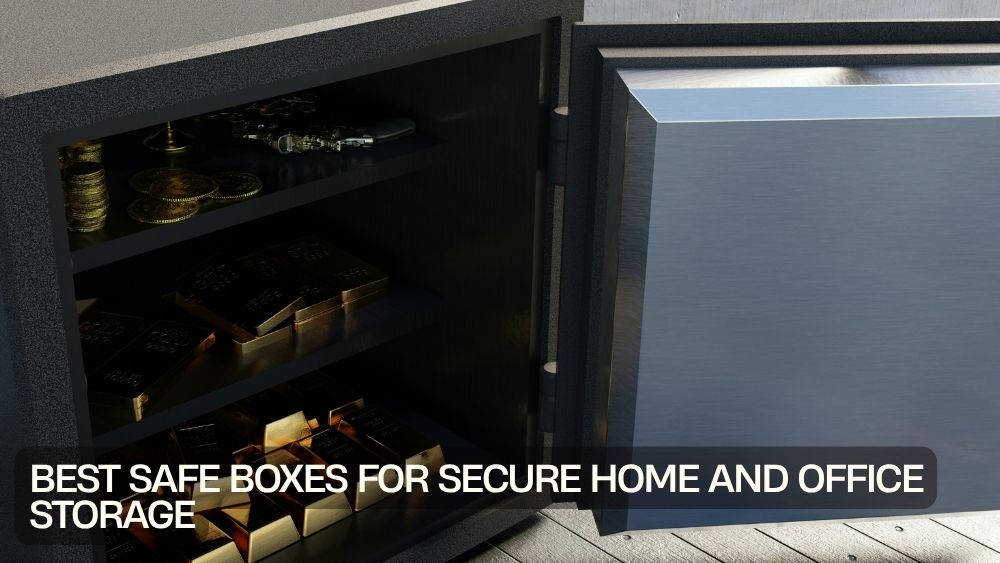
Keeping important belongings in a drawer or cabinet may feel convenient, but convenience does not always equal security. Cash, jewelry, documents, confidential files, and other valuables deserve a dedicated storage solution.
That is where a safe box can make a practical difference.
The right safe gives you a defined place to store items you want to keep protected and organized. Depending on your needs, you can choose from compact designs, digital safes, wall-mounted options, depository safes, and outdoor lockable storage.
If you are comparing different options, start by exploring the [TotalFindz safe box collection] to see solutions designed for different storage requirements.
Why Use a Safe Box at Home?
Home safes can help you organize valuable or sensitive belongings in one dedicated location.
Instead of keeping passports, important paperwork, spare cash, jewelry, or small valuables scattered across drawers, a safe creates a central storage point.
A compact safe box can also work well in apartments and smaller homes where space matters.
Think about the items you want to store first. Your needs might include personal documents, jewelry, emergency cash, keys, or other essentials.
Once you know what needs protection, it becomes easier to determine the size and type of safe you need.
Consider the Type of Security You Need
Not every safe serves exactly the same purpose.
Some are designed for general home storage. Others are built around specific access methods or commercial requirements.
For example, a digital safe can provide convenient access through an electronic keypad, while a depository safe can allow users to deposit items through a dedicated slot without opening the main compartment.
The ideal option depends on how you plan to use it.
Before buying, consider:
- What you want to store
- How frequently you need access
- Where you will install or position the safe
- Whether you need digital access
- Whether you need a deposit slot
- How much internal storage you require
- Whether fire protection is an important consideration
These details can quickly narrow the field.
Choose a Safe Based on Its Location
Where will the safe live?
This question can be just as important as what you plan to store inside.
A wall safe can provide a discreet storage solution, while a cabinet-style safe may work better in a dedicated office or storage area.
For compact spaces, recessed designs can make efficient use of available wall space.
The [digital flat recessed wall safe] is an example of a wall-oriented design that can suit homeowners looking for a more integrated storage approach.

Before installation, carefully check the product's dimensions, installation requirements, and compatibility with your intended location.
Think About What You Need to Store
The contents of your safe should influence its size.
A small safe may be enough for jewelry, cash, keys, or a few personal documents. Larger models can provide additional room for folders, paperwork, valuables, and other household essentials.
Avoid choosing a safe based solely on its exterior dimensions.
Look at the available internal capacity and consider the shape of the items you intend to store.
If you expect your collection of documents or valuables to grow, leaving some additional capacity can make the safe more useful over time.
Look for Convenient Digital Access
Traditional locking systems have their place, but digital safes can make everyday access straightforward.
Electronic keypads allow users to enter a code rather than carrying a physical key every time they need access.
This can be useful for items you access regularly.
A [VEVOR 1.8 cubic-foot digital home safe] offers a larger cabinet-style format with digital access and additional storage capacity.

When comparing digital safes, review the manufacturer's instructions for code management, emergency access, battery requirements, and other operating details.
Consider Fire Protection for Important Documents
Documents can be difficult or impossible to replace.
Birth certificates, property paperwork, financial records, identification documents, contracts, and other important papers may deserve additional protection.
If fire resistance matters to you, look specifically for a product that clearly states its fire-protection features and understand what those specifications actually cover.
Do not assume that every metal safe is automatically fireproof.
For document storage, consider both the safe's capacity and the type of protection it is designed to provide.
Organizing documents inside labeled folders or protective sleeves can also make it easier to locate what you need without repeatedly searching through the entire safe.
Think About Office Storage Needs
An office often contains information that should not be left sitting on an open desk.
Confidential paperwork, cash, checks, sensitive business records, keys, and other important items may require controlled storage.
Office safe boxes can provide a dedicated location for these belongings.
Depository safes can be particularly useful in environments where authorized users need to deposit cash or documents without opening the main compartment.
The [VEVOR 1.7-cubic-foot depository safe] is an example of this type of setup.

For an office, think about who needs access and how frequently items need to be deposited or retrieved.
Explore Drop-Slot Designs for Frequent Deposits
If your main requirement involves receiving cash, envelopes, documents, or other items, a drop-slot safe can offer a different workflow.
Instead of opening the entire safe each time, users can place items through the designated slot.
This can be useful for businesses, offices, rental properties, or other locations where multiple deposits may occur throughout the day.
Another option is the [VEVOR digital depository drop safe], which combines a deposit-oriented format with electronic access.

When choosing this type of safe, consider the slot dimensions, internal capacity, locking system, mounting or placement requirements, and the type of items you expect to deposit.
Do Not Forget Outdoor Storage
Security needs do not always stop at the front door.
Packages and deliveries can also require controlled storage, particularly when you are not available to receive them personally.
A lockable outdoor delivery box can provide a designated location for parcels while helping keep deliveries away from open areas.
The [lockable outdoor package delivery box] is designed around this type of use.

Because outdoor products face changing weather conditions, pay attention to weather-resistant construction and installation requirements before choosing a delivery box.
Think About Ease of Organization
Security and organization can work together.
A safe becomes much more useful when you can quickly locate what you need.
Use separate sections for different categories where possible. You could keep personal documents in one area, emergency cash in another, and small valuables in a separate compartment or container.
For offices, consider organizing paperwork by department, date, or document type.
Avoid overfilling the safe. Crowding can make everyday access frustrating and may cause you to leave important items outside simply because the safe has become difficult to use.
Consider Who Needs Access
Access control is another important consideration.
At home, you may want a safe that only designated household members can open.
In an office, access may need to be limited to specific employees or managers.
Think about how many people require access and how you will manage that access.
If the safe uses an electronic code, follow the manufacturer's recommendations for managing the code securely.
Avoid leaving access information in an obvious location next to the safe.
Look Beyond the Price Tag
A cheaper safe may appear attractive initially, but the purchase should be evaluated based on its intended purpose.
Consider the construction, capacity, locking system, installation method, and relevant protection features.
For example, someone storing a few keys and small valuables may have completely different requirements from a business storing regular cash deposits.
The most important question is not simply, “How much does the safe cost?”
Instead, ask, “Does this safe provide the storage capacity and features I actually need?”
That approach makes the buying decision more practical.
Make Installation Part of Your Planning
A safe is only useful if you can position it appropriately.
Before purchasing, check its dimensions and determine whether it will fit the intended location.
For wall-mounted or recessed models, installation can involve additional requirements. Always follow the manufacturer's installation instructions and consider professional assistance when necessary.
For freestanding safes, think about placement, accessibility, and how the safe interacts with the surrounding furniture.
Do not squeeze a large safe into an inconvenient corner simply because there is an empty space there.
Accessibility matters too.
Build a Simple Home Security Storage System
You do not need to put everything into one safe.
Instead, think about your belongings by category.
For example:
Important documents: Use suitable document storage and organize paperwork so you can retrieve it quickly.
Small valuables: Jewelry, watches, spare keys, and other compact belongings can benefit from dedicated compartments.
Emergency cash: Keep it separate from everyday spending money and organize it in a discreet, secure location.
Office materials: Store confidential documents, cash, or sensitive items according to your workplace's access requirements.
This creates a more structured approach to secure storage.
Review the Safe Before You Buy
Before placing an order, run through a simple checklist.
Size: Does the internal capacity match your storage needs?
Location: Will it fit where you plan to install or position it?
Access: Do you prefer a digital keypad, key-based access, or another locking format?
Purpose: Is it designed for home valuables, documents, deposits, or another specific use?
Protection: Does it provide the protection features you require?
Organization: Can you arrange your belongings without overcrowding the interior?
Maintenance: Are batteries, components, or replacement parts likely to require periodic attention?
A few minutes of planning can prevent an unsuitable purchase.
Secure Storage Should Fit Your Everyday Life
The right safe box should make secure storage feel organized rather than complicated.
For a home, that might mean a compact safe for valuables or a larger cabinet for documents and personal belongings.
For an office, a depository safe can support controlled cash and document deposits.
For outdoor deliveries, a lockable parcel box can create a dedicated place for packages.
The key is to match the product to the job.
Start by identifying what you need to protect, where you want to store it, how frequently you need access, and which features matter most. Then compare capacity, construction, locking systems, installation requirements, and protection specifications.
With the right approach, a safe box becomes more than a locked container. It becomes a practical part of your home's or office's organization system, giving important belongings a dedicated place and helping keep everyday storage more structured.